
A California winter road trip can take you from a sunny coast to snowy mountain roads in the same day. That variety makes winter travel fun, but it also means conditions can change quickly.
Before leaving, plan for weather, road closures, chain controls, shorter daylight hours, and long stretches without services. These 10 tips can help make the drive safer and easier.
1. Check Weather and Road Conditions Before Leaving
Check the forecast for every major stop on your route, not just where you are starting.
A drive from Sacramento to Lake Tahoe, for example, can begin with clear roads and end with snow and chain controls in the Sierra.
Use Caltrans QuickMap to check current highway closures, chain controls, traffic incidents, and road cameras. For national parks, also check the park’s official conditions page before leaving.
Check again the morning of your trip since winter conditions can change overnight.
2. Understand California’s Chain Control Rules
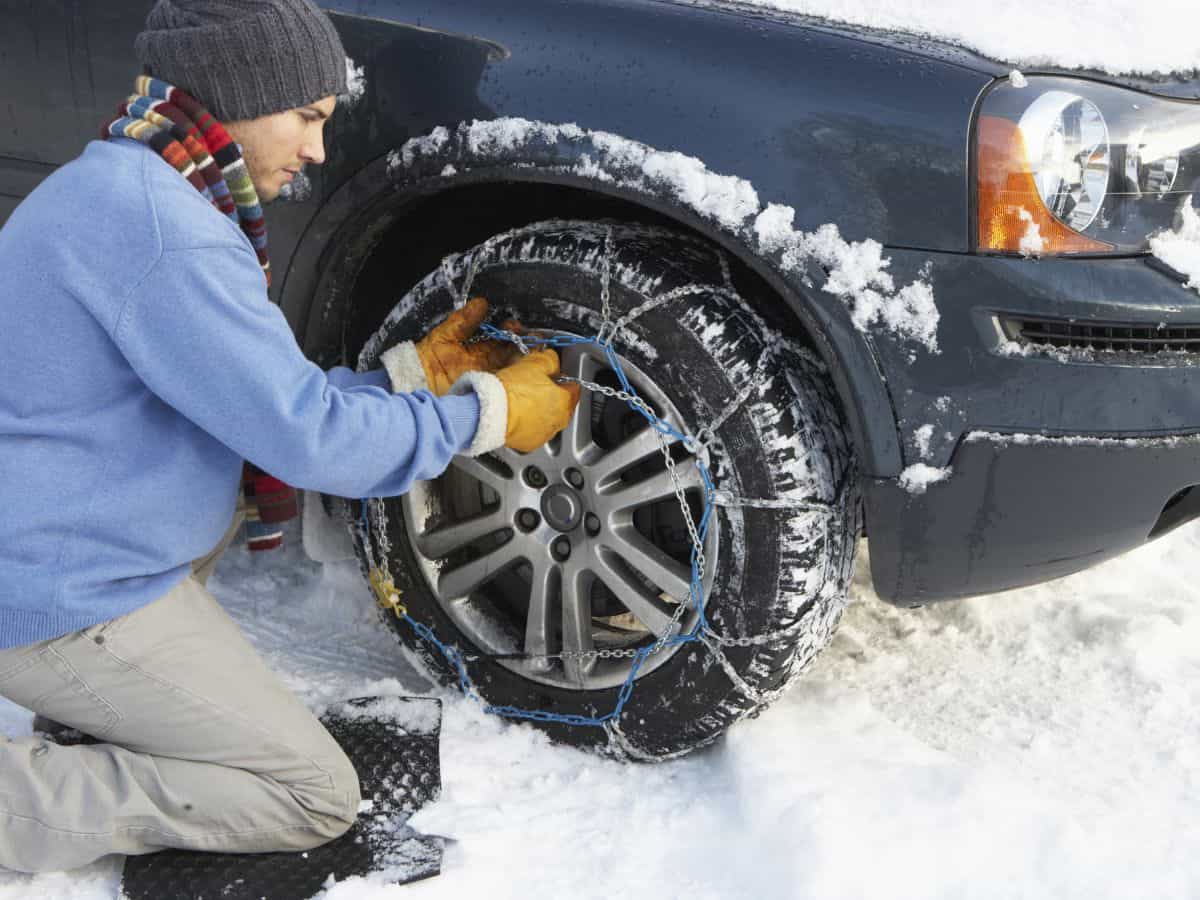
Carry traction devices if your trip takes you into California snow country.
California uses different levels of chain controls depending on road conditions. Under some restrictions, qualifying all wheel drive or four wheel drive vehicles with snow tread tires may not need to install chains, but drivers can still be required to carry them.
More severe conditions can require chains or other approved traction devices on every vehicle.
Read the current Caltrans chain requirements before a mountain trip. Make sure the traction devices fit your tires and know how to install them before you need them.
3. Check for Seasonal and Temporary Road Closures
Do not assume every scenic California road stays open through winter.
In Yosemite, Tioga Road and Glacier Point Road usually close because of snow and can remain closed for months. Mountain passes in other parts of the Sierra can also close for the season.
Highway 1 along the coast does not have a regular winter closure, but storms, landslides, and road damage can temporarily close sections.
Check the exact route shortly before leaving rather than relying only on the route suggested by a navigation app.
4. Give Yourself More Driving Time Than Usual
A two hour drive on a clear summer day may take much longer during a winter storm.
Snow, fog, rain, chain controls, holiday traffic, road work, and accidents can all slow the trip.
Avoid planning an itinerary where you need to arrive at every stop at an exact time. Leave room for delays and consider removing a stop if conditions make the drive longer than expected.
Driving slower is also part of winter travel. Increase the distance between your car and the vehicle ahead, and avoid sudden braking or sharp turns on wet or icy roads.
5. Plan Scenic Drives and Mountain Roads Before Dark
December days are short, so schedule scenic roads, viewpoints, hikes, and unfamiliar mountain routes earlier in the day.
Driving after dark makes it harder to see ice, snow, fallen rocks, wildlife, and changes in the road.
Check the sunset time for your destination when planning the itinerary. If a scenic drive will take two hours, start early enough to finish it before daylight disappears.
Save dinner, shopping, and indoor activities for the evening.
6. Carry a Simple Winter Car Kit
Keep a few basic supplies in the car when driving into colder or remote parts of California.
Bring traction devices, an ice scraper, flashlight, phone charger or power bank, blanket, gloves, extra warm clothing, water, and snacks.
For snowy mountain trips, a small shovel can also be useful.
Before leaving, check your tires, windshield wipers, lights, brakes, heater, defroster, and windshield washer fluid. Caltrans has a useful winter driving guide with additional preparation tips.
7. Remember That Conditions Change With Elevation
Do not assume the weather will stay the same throughout the drive.
California roads can gain thousands of feet of elevation in a relatively short distance. Rain at lower elevations can turn into snow higher in the mountains.
Temperatures can also drop quickly after sunset.
Check forecasts for the highest elevation on your route, not just the town where you are staying. If snow is expected near a mountain pass, prepare for winter driving even if the weather at home looks clear.
8. Fill Up or Charge Before Remote Stretches
Start remote drives with enough fuel or battery range to handle delays.
Places such as Death Valley, Big Sur, the Eastern Sierra, and parts of the mountains can have long distances between gas stations, chargers, restaurants, and other services.
Do not wait until the tank is almost empty to start looking for fuel.
Download offline maps before leaving areas with reliable service. Cell coverage can disappear in mountains, deserts, national parks, and remote coastal areas.
9. Pack for Different Types of Weather
California winter weather depends heavily on where you are going. The coast may be mild and rainy while the Sierra is below freezing. The desert can feel warm during the afternoon but get cold after sunset.
Pack layers that can be added or removed during the day. Bring a waterproof outer layer if rain is possible and warmer clothing for mountain or desert evenings.
Check the forecast for each destination before packing instead of preparing only for the first stop.
10. Keep Your Itinerary Flexible
Winter is not the best season for a rigid California road trip schedule.
A storm can close a mountain pass, chain controls can add an hour to the drive, or a hiking trail may become icy.
Have at least one backup activity for each major stop. Look for museums, restaurants, downtown areas, lower elevation trails, or other places that do not depend on good weather.
If a road closes, follow the official detour or change the itinerary. Do not use small back roads to get around a winter highway closure.
Need help planning a trip? We can help plan your trip in California!
Follow our California experiences: Facebook | Instagram | Pinterest | TikTok
