
Late fall is a great time to travel around California because different parts of the state are entering completely different seasons. Napa Valley still has fall color, the coast gets quieter, Yosemite can start seeing its first snow, and the deserts finally cool down enough for hiking.
If you have a free weekend in late November or early December, these 7 destinations are worth considering before winter arrives.
1. Napa Valley

November is one of the best times to catch fall color in Napa Valley. The vineyards turn shades of yellow, orange, and red, with color often lasting through the end of the month. Harvest events are also winding down by this point, so November tends to feel calmer than September and October.
You do not need to spend the whole trip wine tasting either. Drive the Silverado Trail, walk around Yountville or St. Helena, or head to Bothe Napa Valley State Park for a hike among oaks, redwoods, and other trees showing fall color. Take a half a day exploring downtown Napa or Calistoga.
If wineries are part of your plans, make reservations ahead of time. You can also use the Visit Napa Valley fall guide to check seasonal ideas before your trip.
Why go before winter: November is usually the strongest month for vineyard color. Once winter arrives, those vines lose their leaves and the landscape starts looking very different.
Planning a Napa trip? Enter your email below and I’ll send you my free Napa Valley map with 57 pins for wineries, restaurants, cafes, photo spots, and more.
2. Carmel, Monterey, and Big Sur
If you want a coastal trip without summer crowds, head to the Monterey Peninsula. Fall brings comfortable temperatures and fewer visitors, and November begins Carmel’s slower season.
You can spend a morning around Monterey, then head to Carmel for Carmel Beach, Ocean Avenue, and the small streets around downtown. If you have more time, continue south toward Big Sur for coastal viewpoints and hiking.
Point Lobos State Natural Reserve is an easy addition between Carmel and Big Sur and gives you trails with ocean, cove, and forest views without requiring a full day.
Before driving farther into Big Sur, check Caltrans QuickMap for current Highway 1 conditions. Closures can affect parts of the route after storms.
Why go before winter: You get the quieter feel of the slower season while still having good conditions for coastal walks, scenic drives, and sightseeing.
3. Yosemite Valley
Yosemite feels very different once the summer crowds start disappearing. October and November generally bring fewer visitors, while Yosemite Valley remains accessible by car throughout the year.
For a late fall trip, I would focus on the Valley rather than building your plans around the higher elevation roads. Stop at Tunnel View, walk through Cook’s Meadow, explore sections of the Valley Loop Trail, and spend time beneath El Capitan and Half Dome.
This is also when Yosemite starts shifting toward winter. Snow can begin affecting higher elevations in November, and roads such as Tioga Road may close for the season. Chains can also be required on roads leading into Yosemite Valley when winter weather arrives.
Note: Fall is not peak waterfall season. Water levels are usually low, so I would plan this trip around the scenery, trails, granite cliffs, and quieter atmosphere rather than waterfalls.
Check the Yosemite National Park fall guide and current road conditions before leaving.
Why go before winter: You can experience Yosemite after peak season but before full winter conditions become more common. Just keep your itinerary flexible because November weather can change quickly.
4. Pinnacles National Park

If Pinnacles National Park has been sitting on your California national parks list, late fall is a good time to move it up.
Summer temperatures at Pinnacles regularly climb above 100°F, while spring and fall are generally the most comfortable seasons for hiking. Winter can bring colder nights and more rain.
The rock formations are the main reason to visit. On the east side, you can hike toward Bear Gulch Reservoir, explore the Bear Gulch area, or connect to trails leading toward the High Peaks.
Note: The east and west entrances are not connected by road. If you want Bear Gulch and many of the popular east side trailheads, make sure your navigation is taking you to the east entrance rather than simply searching for Pinnacles National Park.
The park’s talus caves can also close because of bat activity, storms, or high water, so check the Pinnacles current conditions page before choosing your route.
Why go before winter: Cooler fall weather makes the exposed trails much more manageable than they are during the hottest months.
5. Santa Barbara
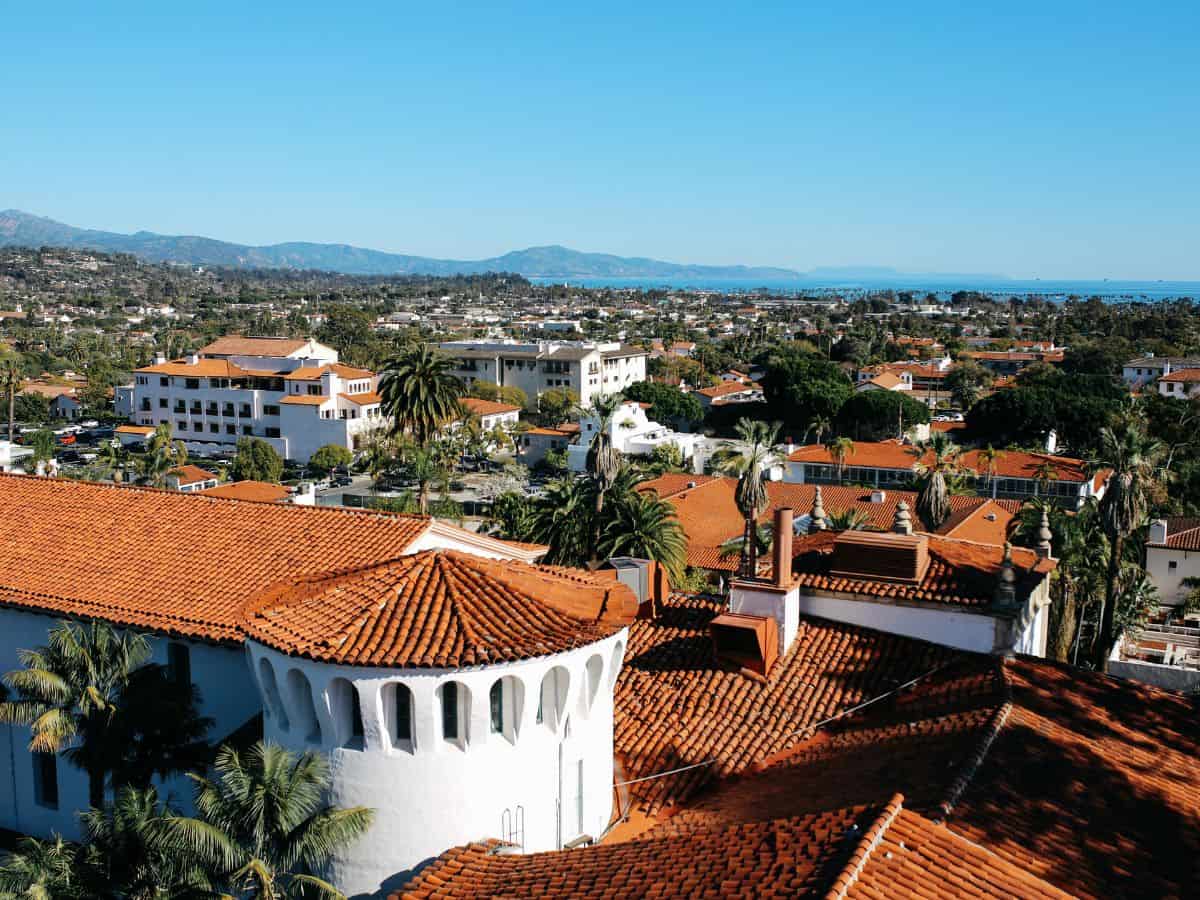
Santa Barbara is a good late fall option if you want to skip colder mountain weather altogether.
November still lends itself well to outdoor plans. You can walk along the waterfront, visit Stearns Wharf, explore the Funk Zone, spend time downtown, or add a hike if the weather is clear. Santa Barbara wine country is also close enough to turn the trip into a longer weekend.
If you’re visiting for the first time, combine the waterfront and downtown rather than packing too much into one day. Start around Stearns Wharf and the harbor, walk toward the Funk Zone, then spend the afternoon around State Street.
If you are staying overnight, you can use the second day for the Santa Barbara Mission, the Botanic Garden, a hike, or a drive into wine country.
You can check the current Santa Barbara November guide when planning your trip.
Why go before winter: Santa Barbara gives you a milder coastal trip at a point in the year when mountain destinations are becoming less predictable.
6. Palm Springs and Joshua Tree
Palm Springs and Joshua Tree work well together because late fall brings much better desert weather.
Greater Palm Springs sees warmer days and cooler nights in fall, which makes outdoor activities much more comfortable than they are during summer. Hiking, walking around downtown, exploring the area’s midcentury architecture, and spending time outdoors become much easier once temperatures drop.
You could spend one day in Palm Springs and then drive to Joshua Tree the next morning. In the national park, fall temperatures are generally among the most comfortable of the year, with typical highs around 70°F to 85°F.
For a first visit to Joshua Tree, focus on a manageable route through Joshua Tree rather than trying to see the entire park. Stops such as Hidden Valley, Keys View, Skull Rock, and the Cholla Cactus Garden can give you a good mix of scenery.
Bring your own water, food, and fuel plan. There are no restaurants, grocery stores, or gas stations inside Joshua Tree National Park, and water is not available in the park interior.
Why go before winter: The desert becomes comfortable enough for longer walks, hikes, and sightseeing without summer heat.
7. Death Valley National Park

Death Valley has one of the clearest seasonal reasons to make this list.
The average November high at Furnace Creek is about 77°F. Compare that with average highs above 110°F during parts of summer, and it is easy to see why late fall changes what you can comfortably do in the park.
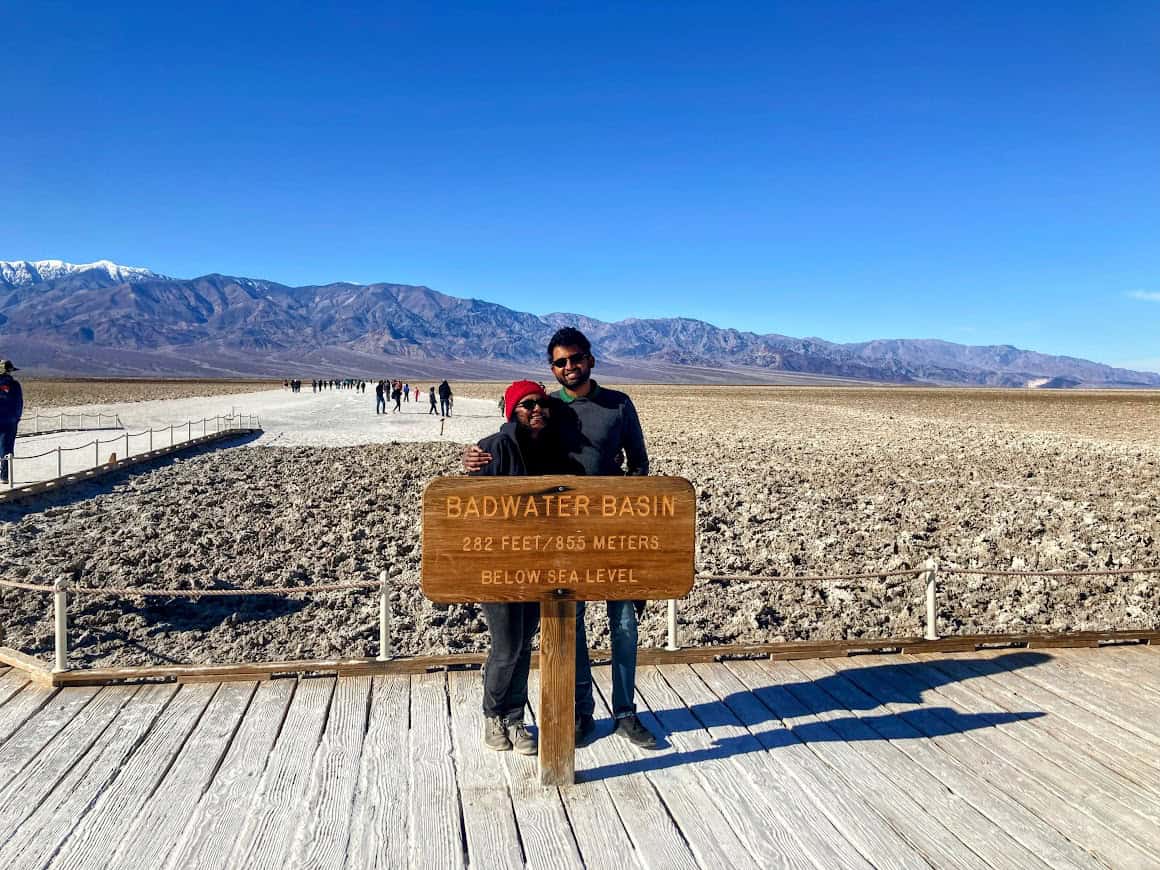
A first trip to Death Valley can focus on the park’s most accessible sights. Watch sunrise or sunset at Zabriskie Point, walk onto the salt flats at Badwater Basin, drive Artist’s Drive, and visit the Mesquite Flat Sand Dunes near Stovepipe Wells.
Flooding has damaged roads in the park in recent years, and some routes remain closed or under repair in 2026. Conditions can also change quickly after storms. Check the Death Valley current conditions page shortly before your trip.
Why go before winter: Late fall brings a major drop in daytime temperatures, making sightseeing and hiking far more practical than during summer.
Note: No matter where you go, check weather, road conditions, and park alerts before leaving. Late fall is a transition season in California, so conditions in the mountains and deserts can change quickly.
