
I used to think errands were the boring part of the week, the kind of thing you did without much thought. You went out, got what you needed, came home, and moved on.
Now, even a simple trip to the store can feel like a small project with too many steps and too many chances for something to go sideways. By the time I get back, I do not just feel productive. I feel oddly drained.
It is not that people suddenly forgot how to run errands. It is that the whole experience seems heavier than it used to be, from the traffic to the lines to the little decisions stacked on top of each other.
I’m not alone. Here’s what people are actually saying.
1. Every errand seems to come with a dozen tiny decisions
A grocery run used to mean getting milk, bread, and whatever else was on the list. Now it can mean comparing brands, sizes, discounts, app offers, and whether the store label is actually cheaper after all.
That kind of constant decision-making wears people down in a way that is hard to notice until you are already tired. Even small choices start to feel like work when they pile up one after another.
2. The traffic steals more energy than the errand itself
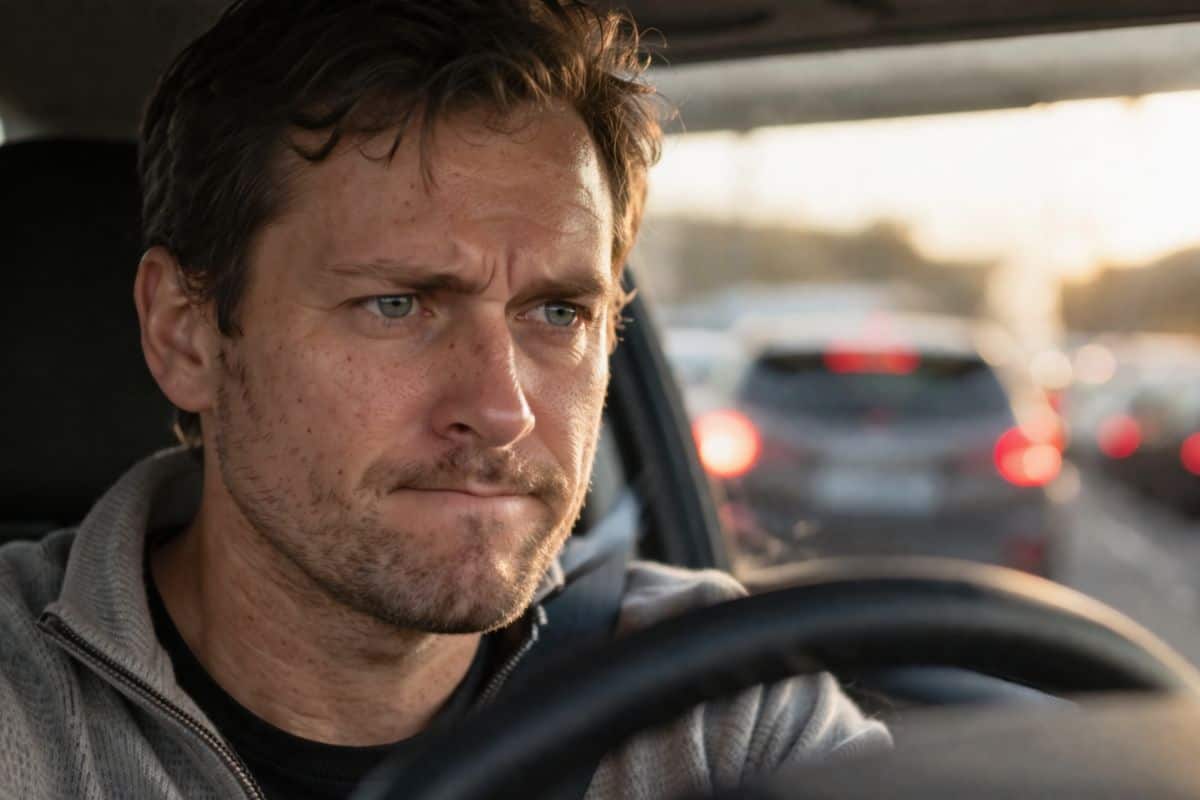
The errand may only take 20 minutes once you arrive, but getting there can feel like the real assignment. Parking, construction, stop-and-go traffic, and crowded lots all make a simple outing feel oddly tense.
By the time you walk through the door of the store, you have already used up the patience you meant to save. The errand is still ahead of you, but your mood has already been spent.
3. Stores are designed to make you linger, not leave
A quick stop used to be a quick stop. Now the layout seems built to pull you in, stretch you out, and nudge you toward buying one more thing you did not plan on.
Endless aisle displays, seasonal sections, loyalty prompts, and checkout add-ons all slow the rhythm. It is hard to feel relaxed when every corner seems to be asking for a little more of your attention.
4. Everything feels more expensive, so every purchase carries more weight
There was a time when grabbing a few basics did not trigger a mental spreadsheet. Now, a cart that looks half full can still make your stomach drop at checkout.
That changes the emotional tone of an errand. You are not just buying soap or paper towels anymore. You are making a series of guarded choices in a market that feels like it keeps moving the goalposts.
5. The self-checkout era turned errands into unpaid work
People used to complain about long lines, and now a lot of them are effectively doing the cashier’s job themselves. Scanning, bagging, fixing errors, and waiting for the machine to approve everything can feel strangely laborious.
It is not just inconvenient. It adds a layer of friction to something that was supposed to be simple. Even when it works, it rarely feels effortless.
6. Phones made errands less empty, but not necessarily easier
A phone can help you compare prices, find the aisle, check your list, and pay without digging for a card. It can also make the whole outing feel like a nonstop stream of alerts, messages, and pressure.
Instead of a clean break from the day, errands now happen alongside everything else. The mental space that used to belong to the task gets split into a hundred little pieces.
7. We are more rushed, even when we are technically free
A weekday errand used to fit neatly into the day. Now, many people are squeezing it between work messages, family obligations, and whatever else has already gone overdue.
That makes even ordinary chores feel urgent. When everything is scheduled too tightly, buying toothpaste starts to feel like one more item on a list that never ends.
8. Crowds feel louder and more tiring than they used to
Stores, pharmacies, and shopping centers can feel busier in a way that is hard to ignore. Even a half-full parking lot can make an errand feel more demanding than it should.
Noise matters too. Music, announcements, carts, conversations, and phone notifications all create a low-level hum that keeps the body from fully settling.
9. Customer service is less predictable, so people brace for the worst
There was once a basic expectation that if something went wrong, a person would help fix it. Now, many people walk in already assuming they may need to argue, wait, or explain themselves three times.
That anticipation is exhausting all by itself. An errand feels heavier when you are mentally preparing for a problem before it has even happened.
10. Returns, subscriptions, and replacements turned simple errands into cleanup duty
A lot of shopping no longer ends when you leave the store. There may be a return to make, a pickup to schedule, a missing item to chase, or a subscription that keeps sending the wrong thing.
That kind of follow-up work gives errands a lingering aftertaste. The task does not always end when the purchase is made, and that makes the whole process feel more burdensome.
11. People are carrying more stress before they even leave the house
An errand might be ordinary, but the person doing it is often already tired, worried, or behind on sleep. That changes everything about how the trip feels.
When your baseline is lower, the smallest inconvenience hits harder. A broken machine, a long line, or a forgotten coupon can feel out of proportion because your patience was already thin.
12. Convenience has made us more aware of inconvenience
It sounds backward, but the easier some parts of life become, the more irritating the difficult parts feel. When people get used to delivery, pickup, and tap-to-pay, a five-minute delay can feel insulting.
Old errands had fewer comforts, but also fewer comparisons. Now every small inconvenience stands out because we know how smooth it could have been.
13. The errand itself is not always the problem; it is the whole atmosphere around it
Most people do not actually hate buying groceries or picking up a prescription. What wears them down is the pressure layered around the task, from cost to crowds to the constant sense that time is slipping away.
That is why errands feel so different now. The job has stayed small, but everything surrounding it has grown louder, slower, and more demanding.
What makes this shift feel so personal
Maybe that is why this topic hits such a nerve. It is not nostalgia for some perfect past that never existed, but the memory of ordinary things feeling lighter.
People still run errands because life requires it, but the emotional cost has changed. What used to feel like a simple outing now feels like one more thing to manage, and that difference adds up fast.
In the end, it is rarely just about the store, the traffic, or the receipt. It is about the way all of it combines into a kind of tiredness that follows people home and settles in quietly.
