

There is a certain kind of hope that comes with the idea of starting fresh somewhere new. It often begins with the belief that life can be simpler, more affordable, and a little less stressful. For many, that dream is tied to the idea of leaving California behind in search of better financial breathing room.
At first glance, the numbers seem convincing and the promise of lower costs feels within reach. Yet the deeper you look, the more complex the decision becomes as hidden expenses and lifestyle shifts begin to surface. This list explores the often overlooked factors that can reshape your budget and help you see the full picture before making a move.
1. What “Cheaper” Actually Means
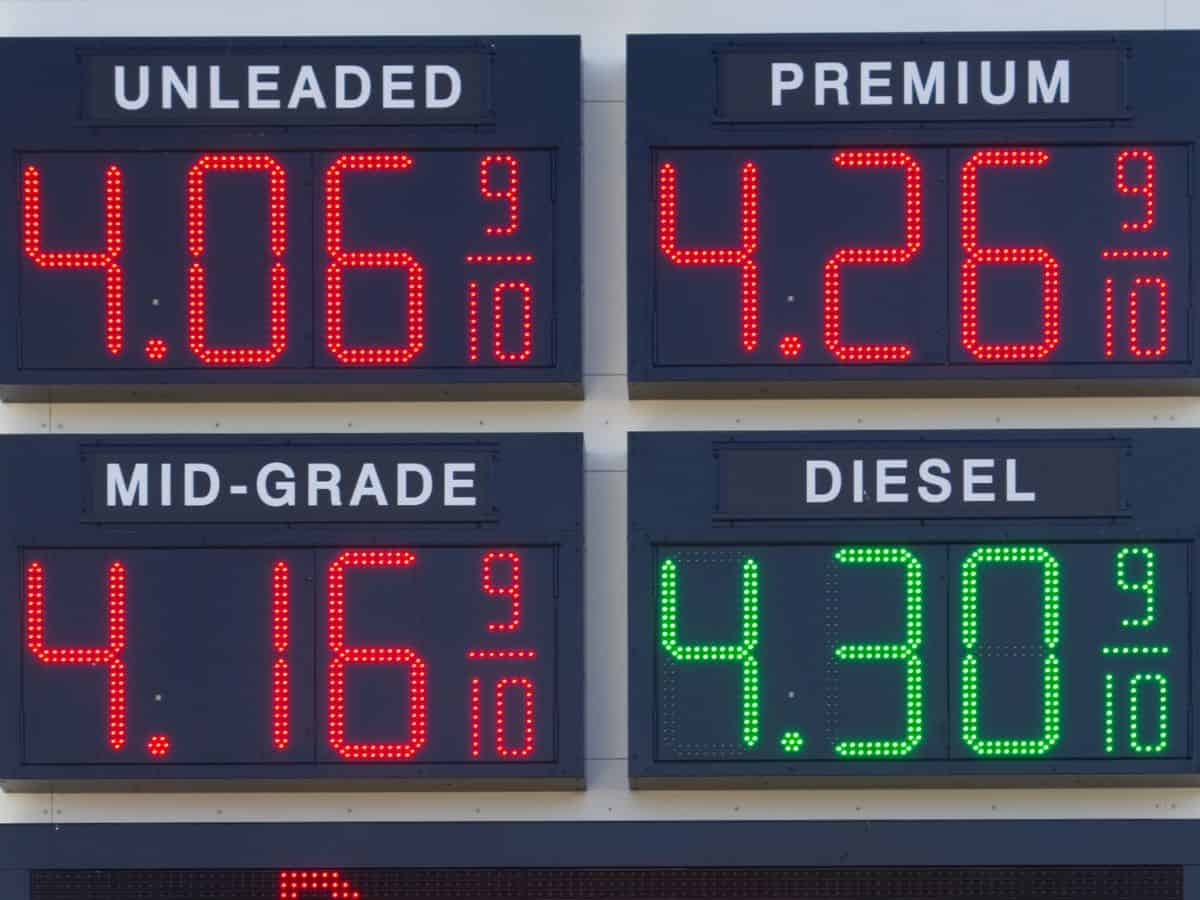
Cheaper often refers just to lower rent or mortgage payments. Real affordability also includes groceries, healthcare, transportation, and taxes. Many people overlook how these everyday costs can offset housing savings.
Source: Bankrate
2. Housing Costs: California vs Popular Destinations

The average rent in California is $2,632 per month, significantly above the U.S. average of $1,754. In contrast, average rents in states like Texas and Nevada fall between $1,400 and $1,600. Fast-growing cities like Austin and Phoenix have seen sharp rent increases that narrow the gap.
Source: RentCafe
3. State Income Tax Savings

California’s top income tax rate is 13.3 percent, one of the highest in the country. States like Texas, Florida, and Nevada have no state income tax, which can mean meaningful savings. The benefits are more significant for higher earners.
Source: California Franchise Tax Board
4. Sales and Property Taxes Can Still Add Up

Some states with no income tax make up the difference with higher sales or property taxes. For example, Texas has no income tax but some of the highest property taxes in the country. When comparing total tax burden, the picture becomes more nuanced.
Source: Tax Foundation
5. Utilities, Groceries, Gas and Everyday Costs Compared

California has the highest gas prices in the country but somewhat regulated utility rates. Grocery costs tend to be lower in high-population states with strong supply chains. Other daily expenses may go up or down depending on where you move.
Source: Bankrate
6. Car Insurance and Other Lifestyle Expenses

California car insurance averages about $1,500 per year but varies widely by city. Other states like Michigan and Louisiana often have much higher rates. Lifestyle costs like tolls, registration fees, and internet can shift your overall monthly budget.
Source: Bankrate
7. Is Your Income Likely to Be Lower After the Move?

California workers often earn higher salaries than those in other states, especially in tech and healthcare. Moving without remote work may mean taking a pay cut. Income levels should be compared alongside lower costs before making a decision.
Source: U.S. Bureau of Labor Statistics
8. The Hidden Costs of Relocating

Relocating includes costs like moving services, deposits, furniture, and travel. Setting up new services, transferring healthcare, and switching schools can create delays and extra expenses. These short-term costs can eat into any savings if not planned for.
Source: SmartAsset
9. Real World Case Study: Los Angeles Moved to Joplin, Missouri

A couple who moved from Los Angeles to Joplin reduced their rent from $2,400 to $900 per month. They also took a 30 percent pay cut and had fewer job prospects. While the move lowered their monthly expenses, the savings were not as large as expected.
Source: Bankrate
10. The Bottom Line on Moving Out of California

Leaving California can be cheaper, but the answer depends on the full picture. Housing may cost less, but income, taxes, and hidden costs could cancel out the difference. A personalized budget comparison is the best way to decide.
Source: Bankrate
Read More From Bae Area and Beyond
Top 25 Reasons Why California Is So Expensive?
Why People Are Leaving California and Where They’re Going Instead
10 California Towns Where You Can Still Buy a House Under $500K
Need help planning a trip? We can help plan your trip!
