

Everyday expenses have a way of creeping up until even simple routines start to feel heavier on a household budget. Groceries, utilities, and basic services no longer feel as manageable as they once did, leaving many families paying closer attention to every dollar. In California, a mix of housing demand, population pressures, and rising service costs has pushed the cost of living to levels that feel overwhelming for many residents.
For some, the strain is no longer just noticeable but deeply frustrating as wages struggle to keep pace with rising prices. This listicle breaks down 25 key reasons why living in California feels more expensive than ever and what continues to drive those costs upward.
1. Out-Of-State Transportation of Gas Leads To High Gas Prices

California gets a lot of its crude oil from other countries. In 2023, the biggest suppliers were Iraq (21.7%), Saudi Arabia (15.7%), and Brazil (15.1%), while Canada supplied 4.3% of California’s imported oil.
Even though California refineries make most of the fuel used in the state, they still bring in extra refined oil products to meet demand. In 2018, the state imported 27 million barrels of refined fuel to help fill the gap.
Because California depends so much on imported oil, it costs more to transport it. Strict environmental rules and limited refinery space also add to the cost, making gasoline prices in California some of the highest in the country.
Source: California Energy Commission
2. Strict Environmental Regulations Lead To High Gas Prices

California has some of the strictest environmental regulations in the country, requiring fuel to meet high emissions standards to help reduce pollution. While these rules improve air quality, they also make gasoline production more complicated and expensive, which drives up prices for consumers.
The California Air Resources Board (CARB) enforces the Low Carbon Fuel Standard (LCFS), which aims to lower carbon emissions from fuels. However, this program also increases costs, adding approximately $0.10 per gallon to gasoline prices.
Source: California Air Resources Board
3. Highest Gas Tax In The Country
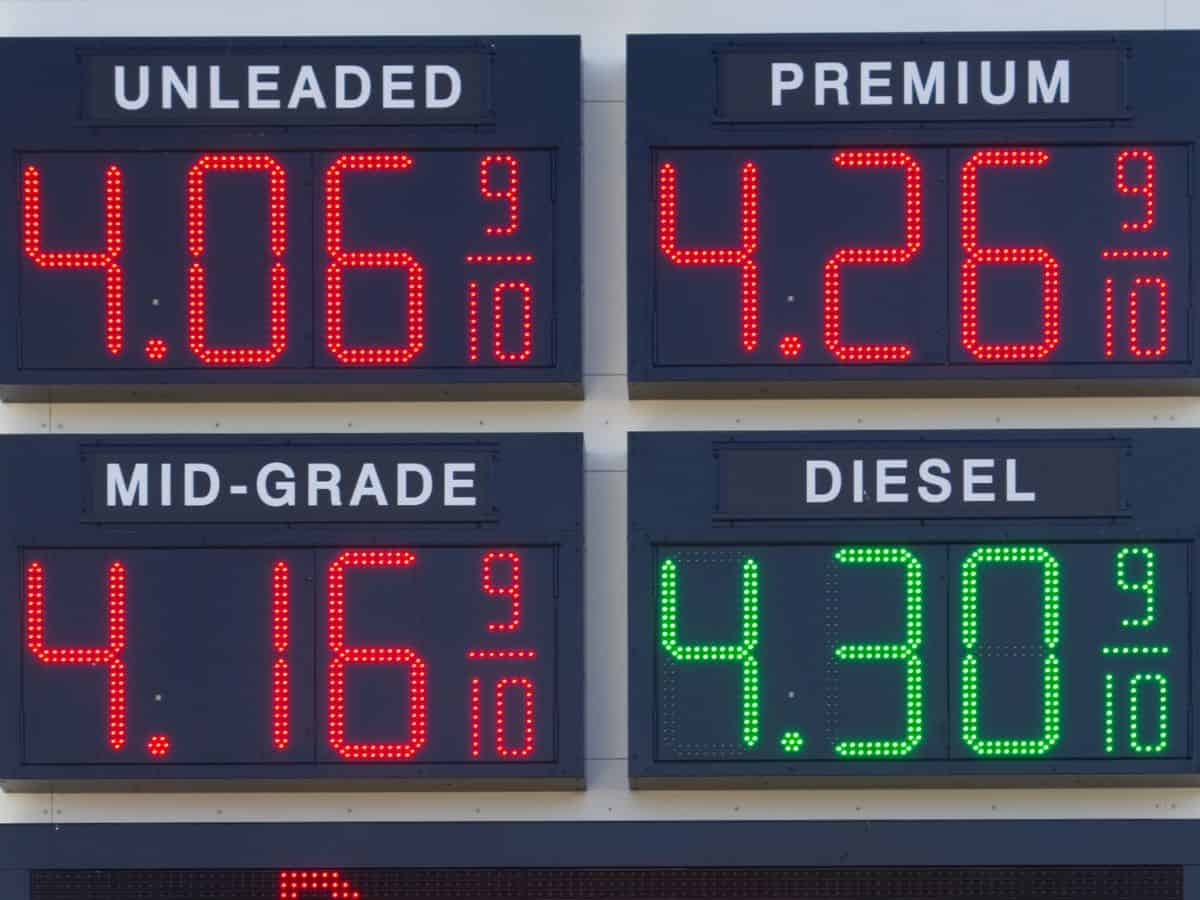
California has the highest state gas tax in the U.S., which plays a big role in its high fuel prices. As of 2024, the gas tax in California is 68.1 cents per gallon, making it the most expensive in the country.
On top of that, drivers also pay extra costs from cap-and-trade fees and the Low Carbon Fuel Standard (LCFS), which push gas prices even higher. Because of these taxes and regulations, Californians pay more for gas than people in most other states.
Source: Tax Foundation
4. One Of The Highest State & Local Taxes In The US

As of 2025, California ranks 48th in the State Business Tax Climate Index, meaning it has one of the least business-friendly tax systems in the country. The state has a 7.25% sales tax, the highest base rate in the U.S. When combined with local sales taxes, the average total rate reaches about 8.85%.
California also has a graduated income tax system, with rates ranging from 1.00% to 13.30%, making it one of the highest-taxed states for individuals. Meanwhile, businesses pay a corporate income tax of 8.84%, adding to the overall cost of operating in the state.
Source: Tax Foundation and California Department of Tax and Fee Administration
5. High Property Taxes

California’s property tax system is shaped by Proposition 13, which limits the general property tax rate to 1% of a property’s assessed value, plus any additional voter-approved local taxes. This helps keep the base tax rate low, but the total amount paid can still vary depending on the location.
Even though California has some of the highest home prices in the country, its effective property tax rate is relatively moderate. In 2025, the effective rate is about 0.71% of a home’s market value, ranking the state 17th in the nation. For a median-priced home of $695,400, the average annual property tax bill comes to about $4,926.
While the 1% base rate applies statewide, extra costs from local assessments and voter-approved bonds can make total property tax bills much higher in some areas. This means property tax payments can vary significantly depending on where you live.
Source: WalletHub
6. Highest Top Rate For Income Tax In The US

California has a progressive income tax system, meaning the more you earn, the higher the percentage you pay. The tax rates range from 1% to 12.3%, depending on income. On top of that, people who earn more than $1 million have to pay an extra 1% Mental Health Services Tax, making the highest possible tax rate 13.3% – one of the highest in the country.
Source: TurboTax
7. Highest Sales Tax Rate In The US

As of 2025, California maintains a statewide base sales tax rate of 7.25%, the highest state-level rate in the nation. Local jurisdictions often impose additional district taxes, leading to higher combined rates in certain areas.
For instance, cities like Hayward and Newark have a total sales tax rate of 10.75%. These local additions mean that while the base rate is uniform, the total sales tax can vary depending on the city or county.
Source: California Department of Tax and Fee Administration
8. Rising Car Insurance Premiums

California’s car insurance premiums have risen significantly, with the average annual cost for full coverage reaching $2,575 in 2024, about 11% higher than the national average. Several factors contribute to this increase, including a higher number of traffic accidents leading to more claims, rising wildfire risks that push insurers to adjust rates, and regulatory changes.
A new law taking effect on January 1, 2025, raises California’s minimum auto insurance coverage requirements, forcing many drivers to purchase higher coverage limits, which in turn increases costs.
Additionally, major insurance companies have requested rate hikes due to increasing claims and potential financial losses from natural disasters. These factors make California one of the most expensive states for auto insurance.
Sources: Desert Sun, San Francisco Chronicle and Reuters
9. High Car Insurance Costs

In 2024, car insurance rates in California increased by nearly 50%, bringing the average cost of full coverage to $2,575 per year—about 11% higher than the national average.
Several factors have caused these rising costs:
- New Insurance Laws: Starting January 1, 2025, California’s Senate Bill 1107 raised the minimum liability insurance limits. Drivers must now have at least $30,000 in coverage for injuries per person and $60,000 per accident, double the previous requirement. This law provides better financial protection for accident victims but also leads to higher premiums for drivers.
- Higher Repair Costs: Fixing cars has become more expensive, with repair costs rising 5.7% in 2024. Advanced vehicle technology and supply chain issues have made parts and labor pricier, which drives up insurance rates.
- Environmental Risks: California’s frequent wildfires and other natural disasters make car insurance more expensive. Insurance companies have to pay for damages caused by these events, which leads to higher rates for everyone.
While owning a luxury car can increase insurance costs because of expensive repairs, the bigger reasons for California’s high insurance rates are new laws, rising repair costs, and natural disasters.
Tip: Here’s all you need to know about renting a car in California and to get the best deals!
Sources: Desert Sun and Reuters
10. High Healthcare Costs

California has some of the highest healthcare costs in the country, and the state is taking steps to control them:
Spending Limits: In April 2024, the California Health Care Affordability Board set a goal to limit how fast healthcare costs increase. By 2025, healthcare spending should grow no more than 3.5% per person, with a plan to lower it to 3% by 2029. This is meant to help families keep up with other living expenses.
Higher Insurance Rates: Even with efforts to lower costs, insurance prices have gone up. Covered California announced that health insurance rates for 2024 increased by an average of 9.6%, making coverage more expensive for many residents.
New Laws to Reduce Costs: The state is also working on laws to make healthcare more affordable. One proposed 2024 bill would cap insulin costs at $35 per month for patients, even those with private insurance.
Sources: Covered California, California Department of Health Care Access and Information and SFChronicle
11. High Land Costs Due To Less Available Land

Land in California is expensive, making housing costs much higher. Here’s why:
Strict Housing Laws: Many areas only allow single-family homes, making it harder to build apartment buildings or other high-density housing. This keeps the supply low, driving prices even higher.
Not Enough Open Land: In major cities along the coast, there isn’t much empty land left for new homes. Since there’s so little space to build, the land that is available becomes more expensive.
High Demand for Popular Areas: Many people want to live in California, especially near the coast, because of the great weather, job opportunities, and lifestyle. But since there isn’t enough land to meet the demand, prices go up.
Sources: Berkeley’s Othering & Belonging Institute, Legislative Analyst’s Office, CalMatters
12. High Grocery Prices

Grocery prices in California are among the highest in the country, and several reasons contribute to this:
Inflation and Economic Trends: Since 2019, food prices have risen by about 31% nationwide due to higher production costs, supply shortages, and corporate pricing decisions. This has hit California especially hard because of its already high cost of living.
Higher Wages and Labor Laws: California has strict labor laws and one of the highest minimum wages in the U.S. This makes running grocery stores more expensive, and those costs get passed on to shoppers through higher prices.
Supply Chain Issues: Disruptions in the supply chain can make certain foods more expensive. For example, in late 2024, egg prices spiked because of an avian flu outbreak that affected poultry farms, reducing supply and driving up costs.
Sources: NerdWallet and ABC7 News
13. High Labor Costs

As of January 1, 2025, California’s minimum wage increased to $16.50 per hour for all workers, no matter the size of the employer. However, some cities and counties set even higher minimum wages to keep up with the cost of living.
Higher wages impact businesses in several ways:
- Increased Costs: Businesses must spend more on employee wages, which can reduce profits, especially for small and mid-sized companies.
- More Automation: Some businesses are turning to technology to cut labor costs. For example, Dave’s Hot Chicken has added self-ordering kiosks and automated kitchen tools to rely less on workers.
- Higher Prices: To cover labor costs, companies often raise prices on goods and services, which can make everyday purchases more expensive for consumers.
While higher wages help workers earn more, they also make it harder for businesses to keep costs low, leading to trade-offs in pricing, jobs, and automation.
Sources: CA.gov and The Wall Street Journal
14. High Demand For Electricity

As of February 2025, California’s average electricity rate is 32.68 cents per kilowatt-hour (kWh), much higher than the national average of 17.01 cents per kWh. This means the average California household, which uses about 491 kWh per month, pays around $160.46 on their electricity bill.
Several reasons explain why electricity costs so much in California:
- Investments in Renewable Energy: California has spent a lot on clean energy sources like solar and wind to reduce pollution and fight climate change. While this is good for the environment, switching to renewable energy requires a lot of money, which raises electricity prices.
- Wildfire Prevention Efforts: Since wildfires are a big threat in California, the state has spent billions to improve power lines, upgrade equipment, and prevent fires. These safety measures cost utility companies more money, which is then passed down to customers in the form of higher electricity bills.
Sources: Choose Energy and The Wall Street Journal
15. High Taxes On Energy Costs
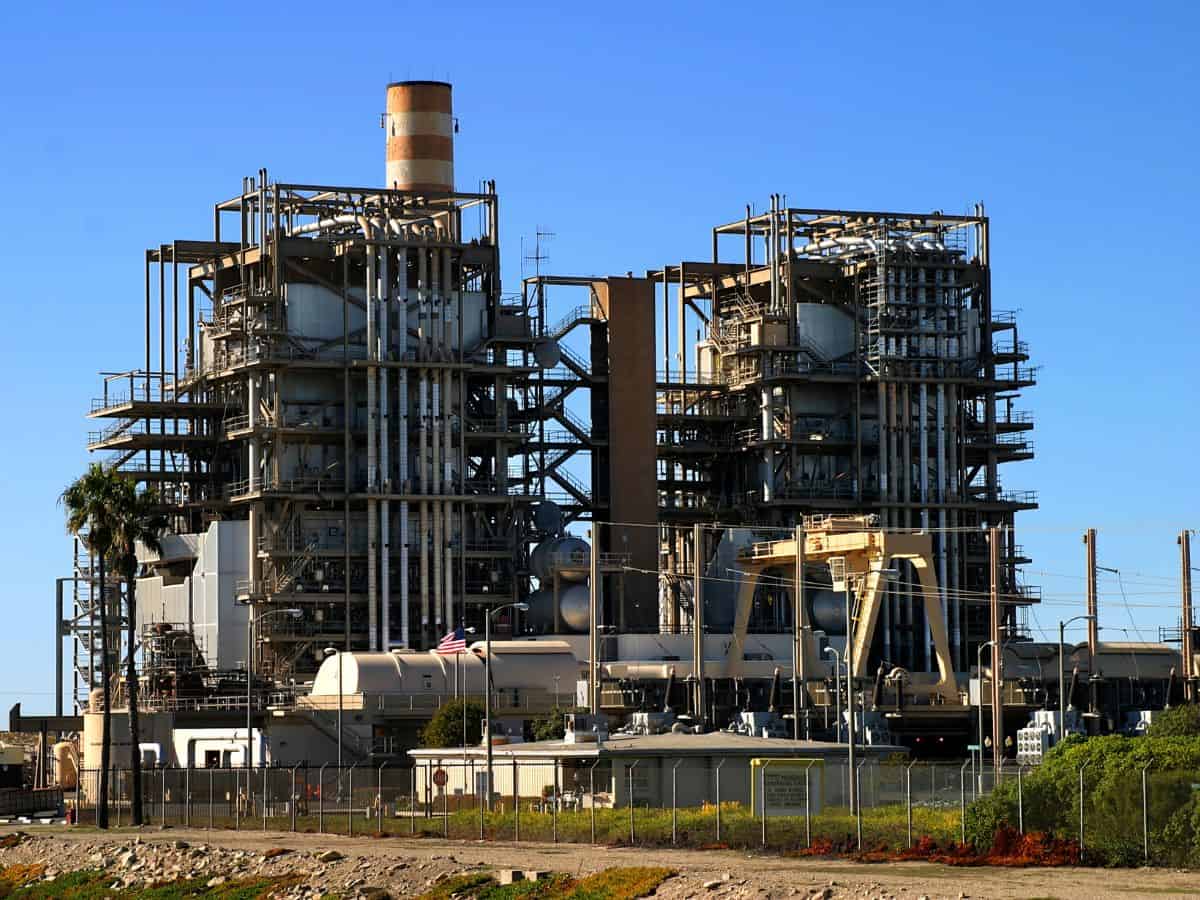
Californians pay higher electricity rates due to taxes, fees, and government policies.
Utility Rate Structure: Rates include fees for grid maintenance, wildfire prevention, and renewable energy projects.
Proposed Fixed Charges: Lawmakers are considering a monthly utility tax, which could impact low-energy users the most.
Electrical Energy Surcharge: Since 1975, households have paid an extra fee based on usage, collected by utilities and sent to the state.
Government Policies: Laws promoting clean energy and pollution control add costs that get passed to consumers.
Sources: Energy Institute at Hass, Solar Rights Alliance and Western States Petroleum Association
16. Restrictive Building Codes

Strict building codes and regulations make it harder and more expensive to build housing in California.
- Zoning Laws: Many cities favor single-family homes over apartments, limiting housing supply and driving up prices. A UC Berkeley study links restrictive zoning to higher property costs.
- High Fees: Developers face steep impact fees for infrastructure, making housing projects costly. The Legislative Analyst’s Office explains how these fees contribute to high housing costs.
- Environmental Rules: While designed to protect nature, complex environmental regulations slow construction and raise costs. CalMatters reports that strict reviews delay projects and drive up prices.
Laws like the HOME Act aim to allow more duplexes and lot splits, but local resistance and red tape continue to slow progress.
Sources: UC Berkeley, Legislative Analyst’s Office and CalMatters
17. High Housing Costs

California has some of the highest housing costs in the U.S., largely because there aren’t enough homes to meet demand. The state’s great weather and strong job market attract many people, but new housing isn’t being built fast enough, driving up prices.
Land and construction costs also play a big role. In coastal areas, available land is limited, and materials and labor are expensive, making homebuilding more costly.
Strict zoning laws and environmental regulations further slow construction and limit new housing, worsening the shortage and pushing prices even higher.
Sources: Legislative Analyst’s Office, KQED and CalMatters
18. High Rent Prices

As of March 2024, the average rent in California is about $2,481 per month. This is $65 more than the previous month, showing that rental prices are continuing to rise. Compared to the national average of $2,000 per month, rent in California is about 37% higher.
Several reasons explain why rent is so high in California:
- Housing Shortage – There aren’t enough homes available for the number of people who want to live here, which drives up competition and rental prices.
- High Cost of Living – Everyday expenses like food, utilities, and transportation cost more in California, making housing even more expensive.
- Desirable Locations – Many people want to live in California because of its great weather, job opportunities, and attractions, which increases demand for housing.
Source: Zillow
19. High Demand And Low Supply In Housing Increases Property Value
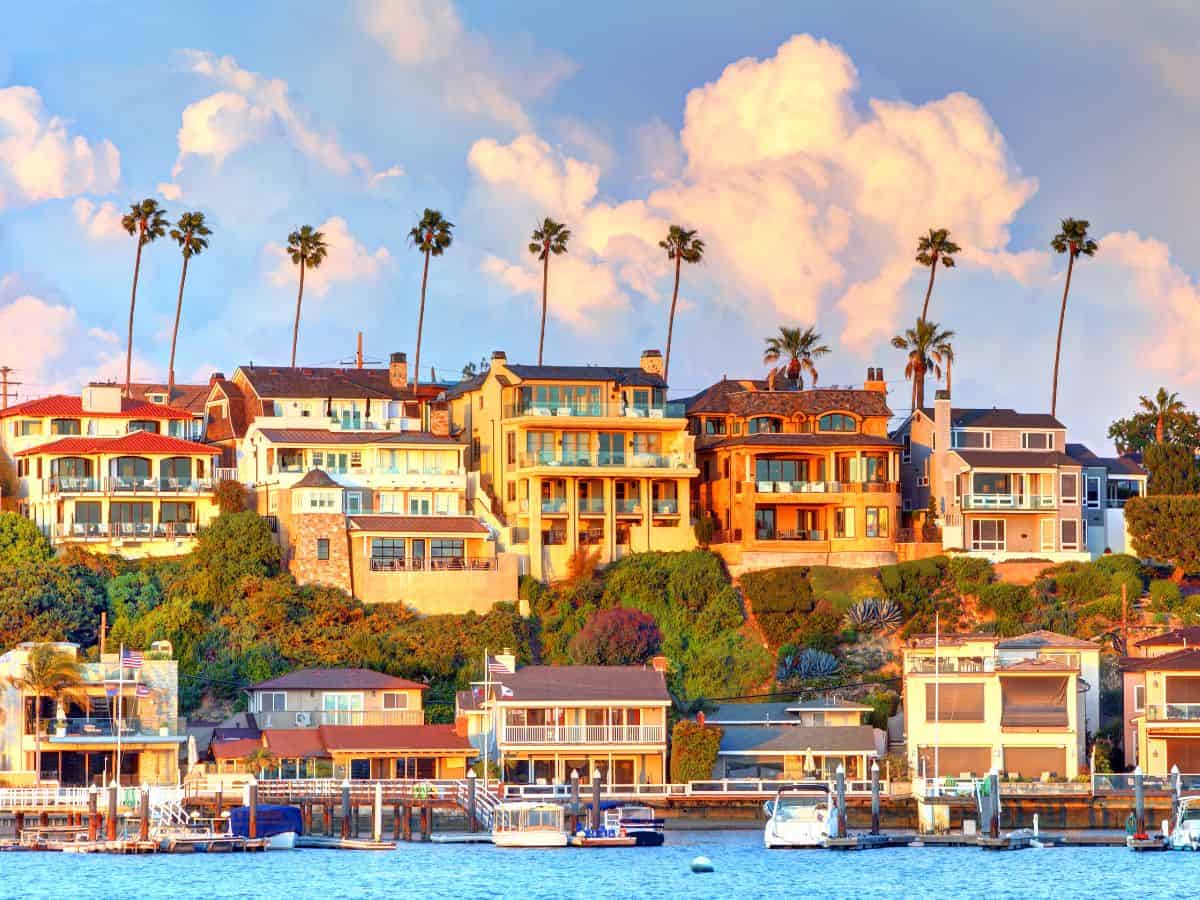
California’s housing prices continue to rise due to high demand and limited supply. The state’s strong economy and desirable climate attract new residents, but housing construction hasn’t kept up, leading to increased competition and soaring costs.
Building homes is expensive, especially in coastal areas, due to high labor and material costs. Additionally, strict zoning laws and environmental regulations slow down construction and add expenses, making housing even pricier. As a result, California remains one of the most expensive states for both homeowners and renters.
Source: CalMatters
20. Largest Economy In the Country

California has the largest economy of any U.S. state, with a Gross State Product (GSP) of $4.08 trillion in 2024, making up 14.14% of the U.S. economy.
The state’s economy thrives on technology, entertainment, agriculture, and tourism. If it were a country, it would be the fifth-largest economy in the world, surpassing the UK.
Despite high living costs and regulations, California remains an economic powerhouse in the U.S. and worldwide.
Source: Gov.ca
21. Home Of Many Successful Corporations

Silicon Valley is home to major tech companies like Apple, Alphabet, Meta and Nvidia. In 2023, California’s GDP reached nearly $3.9 trillion, growing 6.1% from the previous year.
These companies’ employees are highly paid and they want to live in areas where they can easily access their jobs. This drives up the cost of housing in areas like San Francisco and San Jose.
22. Higher-Paying Jobs

California also has a lot of jobs available in technology and entertainment. These can be high-paying jobs that require highly educated workers who can manage large amounts of responsibility.
The tech industry in particular requires skilled workers with advanced degrees who can work long hours on projects with tight deadlines.
This means that companies have to pay higher salaries, which increases costs for consumers everywhere else in the economy as well.
23. Highest Number Of Millionaires In The US

California has the highest number of millionaire households in the U.S. In 2020, there were about 1.14 million, making up 8.51% of all households in the state. Despite concerns about people leaving, the number of millionaires in California has grown.
Between 2019 and 2021, residents earning over $1 million per year increased by 66%, rising from 93,700 to 155,600. However, in 2022, there was a 17% drop due to stock market changes and economic factors. Even with these shifts, California remains home to the most millionaires in the country.
Sources: Statista and SFGate
24. Year-Round Pleasant Weather

California has great weather and an outdoorsy lifestyle that is hard to find anywhere else in the country. The weather is what draws people to the Golden State.
The climate is mild and sunny, which makes it an ideal place to live and visit. California’s diverse geography is also a factor.
There are many different types of climates in California that attracts tourists from around the world all year long. You’ll find warm days and if you drive a few hours north, you’ll see snow.
25. California Has It All

California is home to some of the most popular cities in the world: San Francisco, Los Angeles, and San Diego.
These cities all have a large number of tourists coming through each year, which drives up the price of living in these areas. The state is also a popular tourist destination because of its beautiful beaches, mountains, and deserts.
Plus its home to Hollywood! California is known for its film industry and a lot of movies are made here. People from all around the world visit California to see their favorite stars.
Another tourist attraction is Disneyland, which was built here. It’s one of the most visited theme parks in America because so many people just want to see and ride on all those rides they have heard about so much. This leads to an increase in tourism, which in turn has made it more expensive.
Read More From Bae Area and Beyond
Why Is San Francisco So Expensive? Here are 14 Eye-opening Reasons
Why Is Los Angeles So Expensive? 11 Truths About the High Costs of Living
Don’t Miss These 50 Top Things To Do in San Francisco
Need help planning a trip? We can help plan your dream road trip in California!
Follow our California experiences: Facebook | Instagram | Pinterest | TikTok
