
I still remember the first time a meal was described to me as elegant, as if that alone should make it delicious. The plate looked expensive, the setting felt serious, and everyone at the table nodded like we were all supposed to be impressed.
But food has a funny way of exposing the gap between what sounds refined and what actually feels good to eat. Some dishes carry a kind of social status that never quite matches the reaction they get once the first bite lands.
That disconnect has only gotten more noticeable over time. A lot of Americans have learned to smile politely at the tasting menu, then quietly go home thinking the same thing.
I’m not alone. Here’s what people are actually saying.
1. Oysters
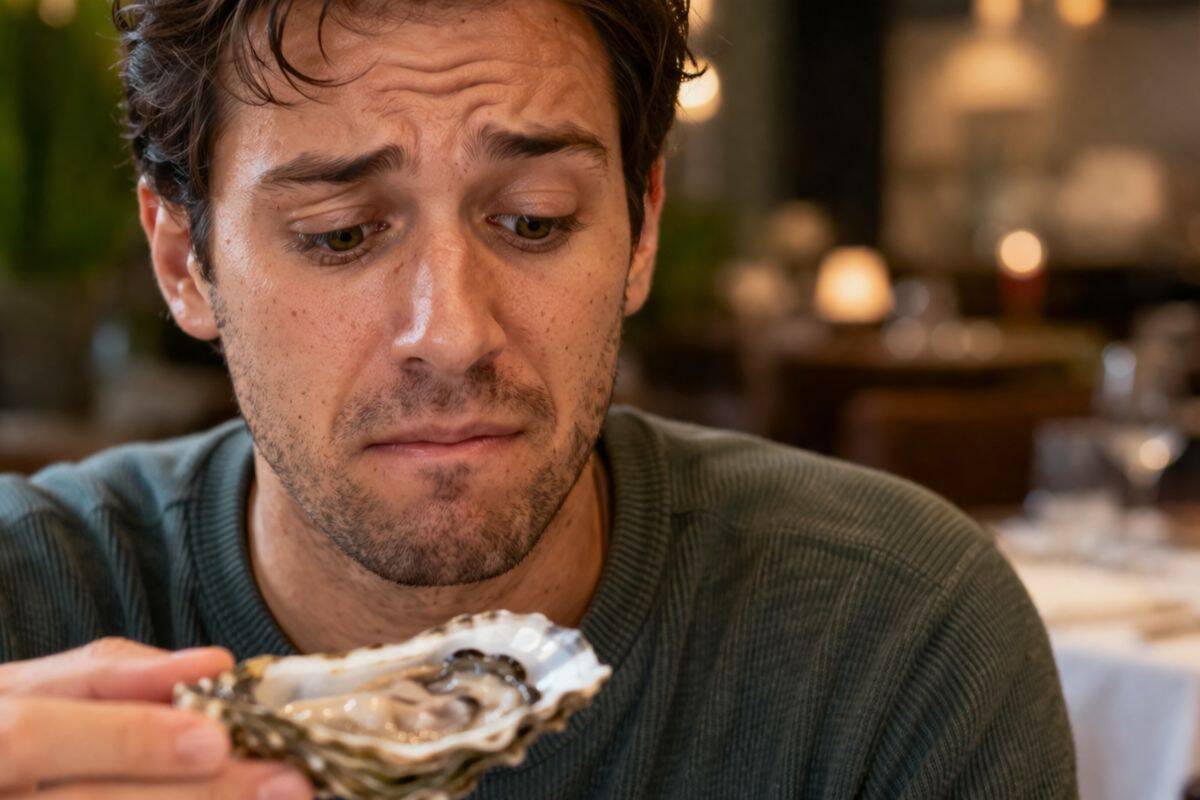
Oysters are one of those foods that are always introduced with a little ceremony. People talk about brine, minerality, and freshness as if they are describing fine jewelry.
But for plenty of Americans, the real memory is less romantic. It is a cold, slippery mouthful that tastes like the ocean decided to become a dare.
2. Caviar
Caviar has a reputation that arrives before the food itself does. It signals wealth, taste, and a certain old-world confidence that many people do not actually feel.
Yet for a lot of diners, it is hard to enjoy something that tastes salty, fishy, and strangely expensive all at once. A tiny spoonful can feel less like indulgence and more like an obligation.
3. Foie gras
Foie gras is often presented as the height of luxury, the kind of dish that is supposed to hush a room. It has that polished, special occasion aura that makes people straighten up at the table.
Still, many Americans cannot get past the texture or the ethical discomfort around it. Even people who admire the idea of fine dining often hesitate when the dish arrives in front of them.
4. Truffle oil
Truffle oil has probably done more to confuse people than truffles ever did. It turns ordinary menus into something that sounds extravagant, even when the flavor lands like perfume.
That heavy, artificial funk can overwhelm everything else on the plate. What was meant to feel rich often ends up tasting like someone spilled a luxury candle into dinner.
5. Blue cheese
Blue cheese is one of those foods people praise in a very measured voice, as if they know it is asking a lot from the room. It can be sharp, salty, and strangely aggressive in a way that never fully disappears.
Some Americans love it, but many only tolerate it in tiny amounts because they feel they are supposed to. The cheese itself is not the problem as much as the insistence that it should be universally admired.
6. Anchovies
Anchovies are often treated like a secret weapon, something chefs add to make a dish seem smarter than it is. They are salty, savory, and supposedly essential in small doses.
But to plenty of people, they are the little fish that hijack the whole meal. Even when they are hidden well, the flavor can feel like it has filed a formal complaint.
7. Escargot
Escargot sounds sophisticated before it ever sounds edible. The name alone can make a menu feel more European, more cultured, more worth slowing down for.
Then the snails arrive in butter and garlic, and not everyone is convinced. For many Americans, no amount of parsley can fully erase the fact that they are being asked to eat snails.
8. Bone marrow
Bone marrow has that rustic, chef-driven glamour that makes it seem adventurous rather than intimidating. It is often served with toast and explanation, which is usually a sign that the dish knows it needs help.
The texture is the part that gets people. Rich is one thing, but soft, greasy, and concentrated in a way that can feel almost too primal is another.
9. Foamy everything
Somewhere along the way, foam became a sign that a dish was serious. It was the era of modern plating, where a sauce was no longer enough if it could not also become airy.
A lot of Americans quietly decided that food should not feel like chemistry class. If a meal needs a lecture to be understood, the foam is already working against it.
10. Beets
Beets are often defended with a kind of moral urgency. People talk about their earthiness as though this should be enough to convert everyone.
But beets can taste like dirt to the uninitiated, and no amount of elegant plating changes that first impression. They are one of the easiest vegetables to appreciate intellectually and one of the hardest to love instinctively.
11. Quinoa
Quinoa spent years being sold as the answer to every responsible meal. It was healthy, versatile, and just exotic enough to sound better than rice.
Then people actually ate it in enough places to realize it can also be dry, bland, and stubbornly cheerful about it. It is not that Americans hate quinoa as much as they hate being told to treat it like a personality trait.
12. Sushi
Sushi is interesting because it is both beloved and quietly misunderstood. For every person who craves it, there is another who is still pretending to enjoy the seaweed and raw fish because the group ordered a platter.
The fancy version can feel especially intimidating, with its delicate fish, precise cuts, and expensive pieces that vanish in one bite. A lot of people respect sushi more than they enjoy it.
13. Octopus
Octopus is often introduced as proof that someone has adventurous taste. It looks dramatic on the plate and usually comes with a story about charred edges or coastal inspiration.
But if it is even a little rubbery, the whole spell breaks. Americans who are willing to try almost anything can still draw the line when dinner starts chewing back.
14. Lobster
Lobster has long been sold as the symbol of a special night out. It is the kind of meal people order when they want to feel like they have stepped into a higher class of life.
Yet for some Americans, the experience is more work than pleasure. Between the cracking, the butter, the mess, and the price, it can start to feel less like luxury and more like an expensive puzzle.
15. Duck
Duck is one of those meats that sounds elegant before it sounds familiar. Restaurants love to frame it as rich, refined, and deeply satisfying.
The flavor can be too intense for people who grew up on milder staples like chicken or turkey. What chefs call complexity, other diners sometimes experience as a gamier version of a meal they were happier with before.
16. Liver pâté
Liver pâté comes with an aura of old-fashioned sophistication. It is the sort of thing that appears on a beautiful board and makes the whole spread look more grown-up.
But the metallic flavor is a dealbreaker for many people. No matter how creamy the texture is, there is often something deeply unsettling about tasting liver in such a polished form.
17. Fancy mushrooms
Mushrooms can be lovely, but the gourmet treatment sometimes pushes them into territory that feels overly proud of itself. Truffle mushrooms, wild mushrooms, mushroom foam, mushroom risotto, it all starts to sound like a sermon.
The truth is that many Americans are not rejecting mushrooms so much as the way they are made to feel about them. Food becomes harder to enjoy when it comes wrapped in the language of refinement before it ever reaches the fork.
Why does this land feel so hard for people?
What makes these foods interesting is not just that some people dislike them. They are often surrounded by a kind of social pressure that insists they should be appreciated.
That is usually the part people push back against. It is not always the food itself, but the performance that comes with it, the quiet suggestion that a better person would know how to enjoy it.
A lot of Americans still love a special meal, but they do not always love being told what sophistication is supposed to taste like. Sometimes the most honest reaction is also the most common one, even if it never gets said out loud.
