
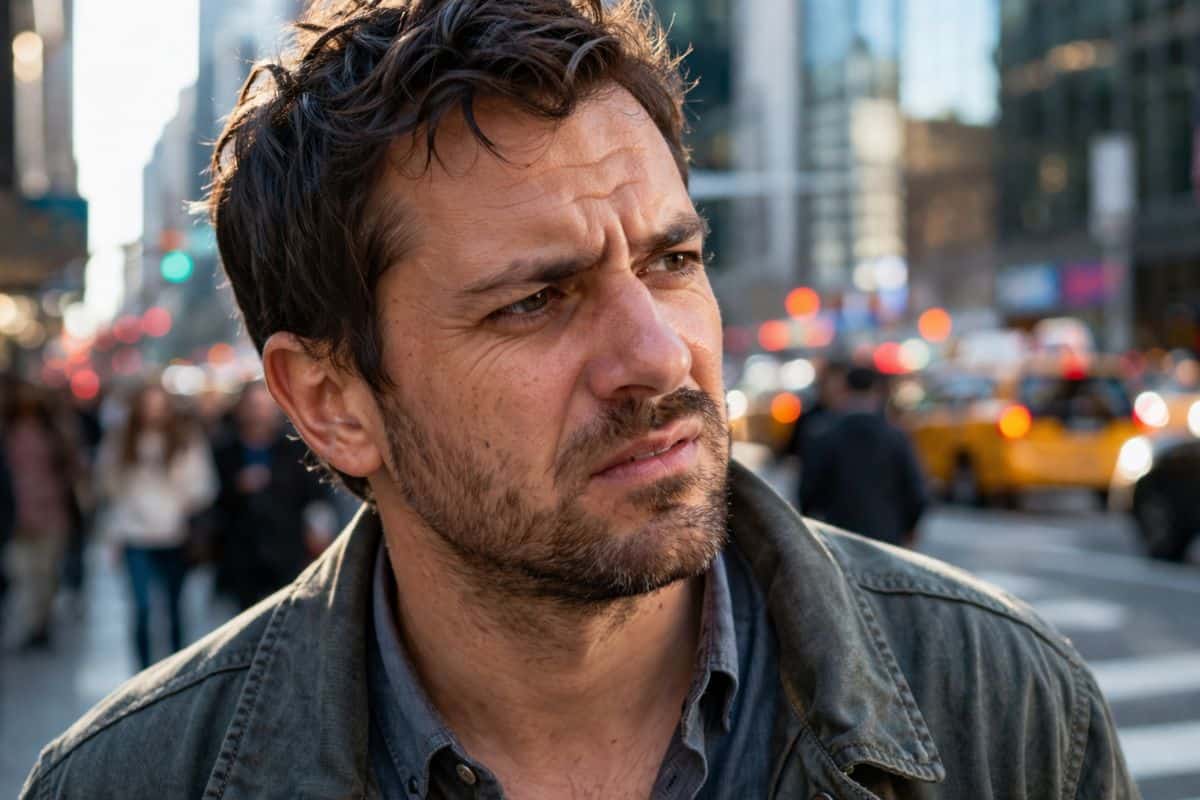
I remember when being in a big city felt like stepping into the center of everything that mattered.
There was a kind of electricity in the air, the sense that something interesting was always just around the corner. But lately, that feeling has shifted in a way that is hard to ignore.
I’m not alone. Here’s what people are actually saying.
1. The cost of simply existing feels overwhelming
Rent used to feel like a tradeoff for access to opportunity. Now it feels like the entire point of living there is to keep up with the rent itself.
In many major cities, median rents have outpaced wage growth for years. People are realizing they are working harder just to stand still.
2. Everyday errands have become exhausting
Something as simple as buying groceries or picking up a prescription can take half a day. Long lines, crowded stores, and constant delays wear people down. What used to feel like convenience now feels like friction built into daily life.
3. Space has become a luxury most can’t afford
Apartments keep getting smaller while prices keep climbing. People joke about paying thousands for a studio, but it stops being funny when it is real. The lack of personal space adds up in quiet, stressful ways.
4. Remote work changed the equation
For years, living in a big city made sense because that is where the jobs were. Now millions of Americans can work from anywhere. The tradeoff no longer feels necessary when the office is a laptop.
5. Commutes feel like wasted time again
Even with flexible work, many still face long and unpredictable commutes. Hours spent in traffic or on packed trains feel harder to justify. People are starting to question why so much of life is spent just getting somewhere.
6. Safety concerns are harder to ignore
Many residents say they feel more on edge than they used to. Concerns about theft, vandalism, or public disturbances have become part of everyday awareness. It is not always about statistics, but about how people feel walking home at night.
7. The “always on” lifestyle is draining
Cities never really sleep, and that used to be part of the appeal. Now it can feel like there is no escape from noise, crowds, or constant stimulation. People are craving quiet in a way they did not before.
8. Social life is not as effortless as it seems
Being surrounded by millions of people does not guarantee connection. In fact, many report feeling more isolated in cities than in smaller communities. The pace of life can make relationships feel temporary or transactional.
9. Small pleasures have gotten expensive
Going out for dinner, seeing a show, or even grabbing coffee adds up quickly. What used to feel like everyday enjoyment now feels like a splurge. People are starting to question if the lifestyle is worth the price tag.
10. Nature feels far away
Access to green space can be limited or crowded. A simple walk in a quiet park often requires planning, travel, or compromise. Many are realizing how much they miss open space without even knowing it.
11. Cities feel more crowded than ever
Population density has always been part of urban life. But lately, it feels like there is less room to breathe everywhere you go. Sidewalks, trains, and public spaces can feel constantly packed.
12. The sense of opportunity feels less clear
Cities used to represent upward mobility and fresh starts. Now that promise feels less certain for many people. Rising costs and competitive job markets make it harder to get ahead.
13. People are redefining what “a good life” looks like
More Americans are prioritizing space, flexibility, and peace of mind. Smaller cities and suburbs are starting to offer what big cities once promised. The definition of success is shifting in quiet but meaningful ways.
Why this shift feels so personal
This is not just about rent prices or commute times. It is about how a place that once felt full of possibility starts to feel heavy. For many, the issue is not the city itself, but everything around it that has changed.
And once that feeling shifts, it is hard to see it the same way again.
