

For generations, one iconic place has symbolized opportunity, ambition, and the belief that determination can open doors to a better future. People have long been drawn by strong career prospects, vibrant culture, and a fast paced lifestyle that promises something new at every turn.
In New York City, that promise is now being questioned by many who feel the cost of living has climbed beyond what everyday life can sustain. From rising rent prices to increasing costs of food, transportation, and basic needs, even longtime residents are finding it harder to keep up. Below, we break down the key reasons why more people are saying New York is no longer worth the price tag.
1. Skyrocketing Housing Costs in NYC
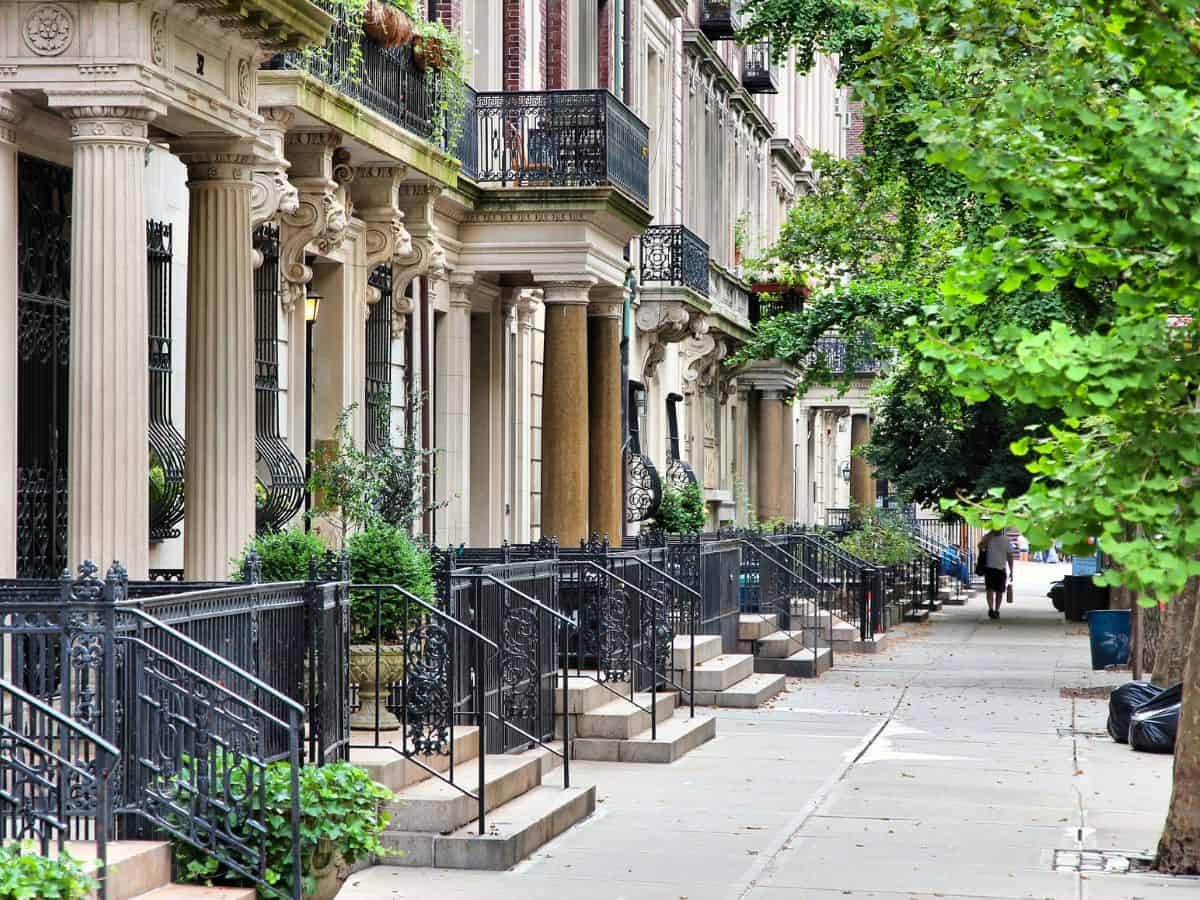
The median home price in Manhattan reached $1.15 million in early 2025, while Brooklyn crossed the $1 million mark. Luxury condos and high-rise towers dominate new construction, which inflates overall market prices. First-time buyers and middle-income families are being priced out across all five boroughs.
Source: PropertyShark / Rocket Manhattan & Brooklyn Market Reports
2. Rent Stabilization and Supply Shortages
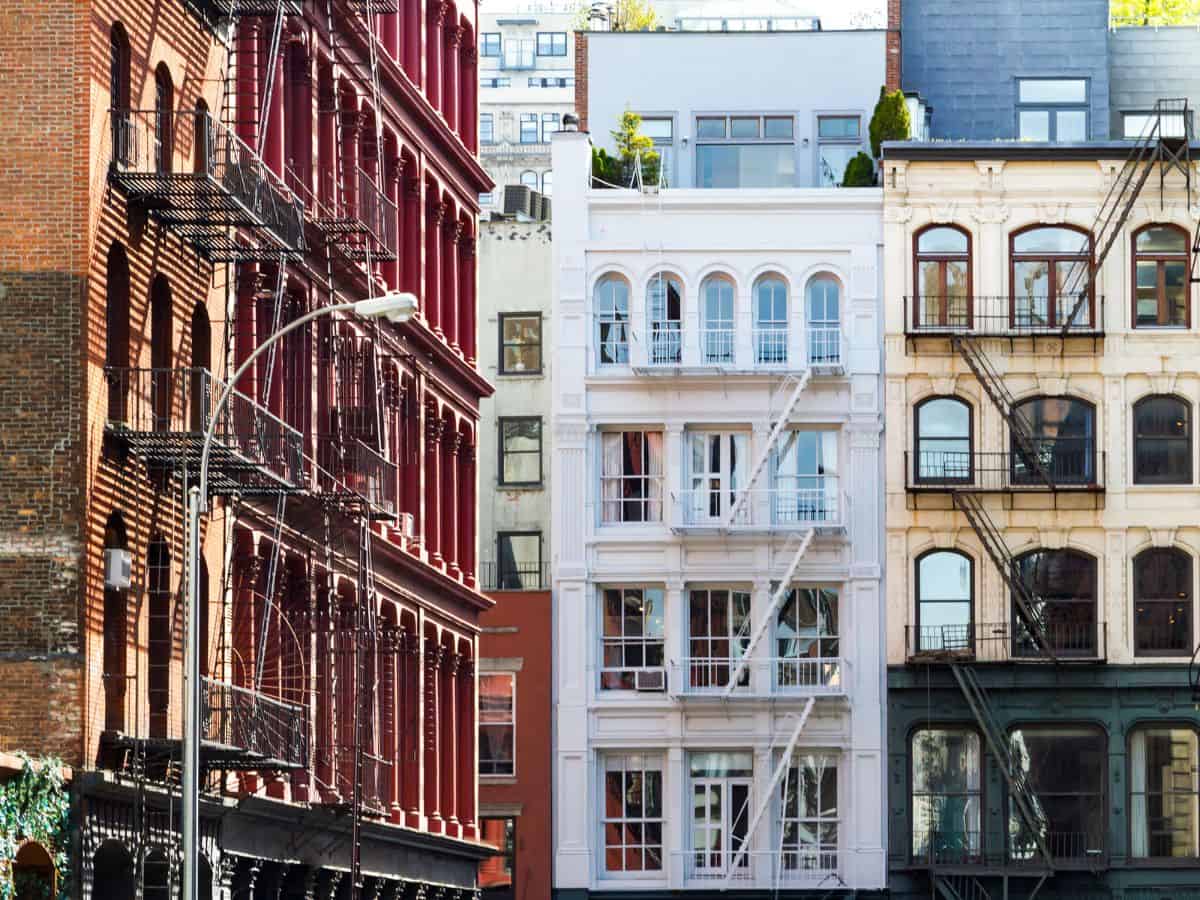
While rent-stabilized units exist, strict development regulations and high land costs discourage the creation of new affordable housing. Platforms like Airbnb reduce long-term rental availability, making the rental market even tighter. Vacancy rates remain far below national averages, keeping prices high.
Source: FT.com analysis & PropertyShark luxury stats
3. Everyday Necessities Cost More

Groceries, household supplies, and basic toiletries are all more expensive in New York than in most U.S. cities. Urban density, higher labor costs, and limited space for big-box retail all contribute to the pricing gap. Many everyday items cost 15 to 20 percent more here than in comparable cities.
Source: Investopedia Cost-of-Living / Apex consumer index
4. Commuting and Transit Expenses
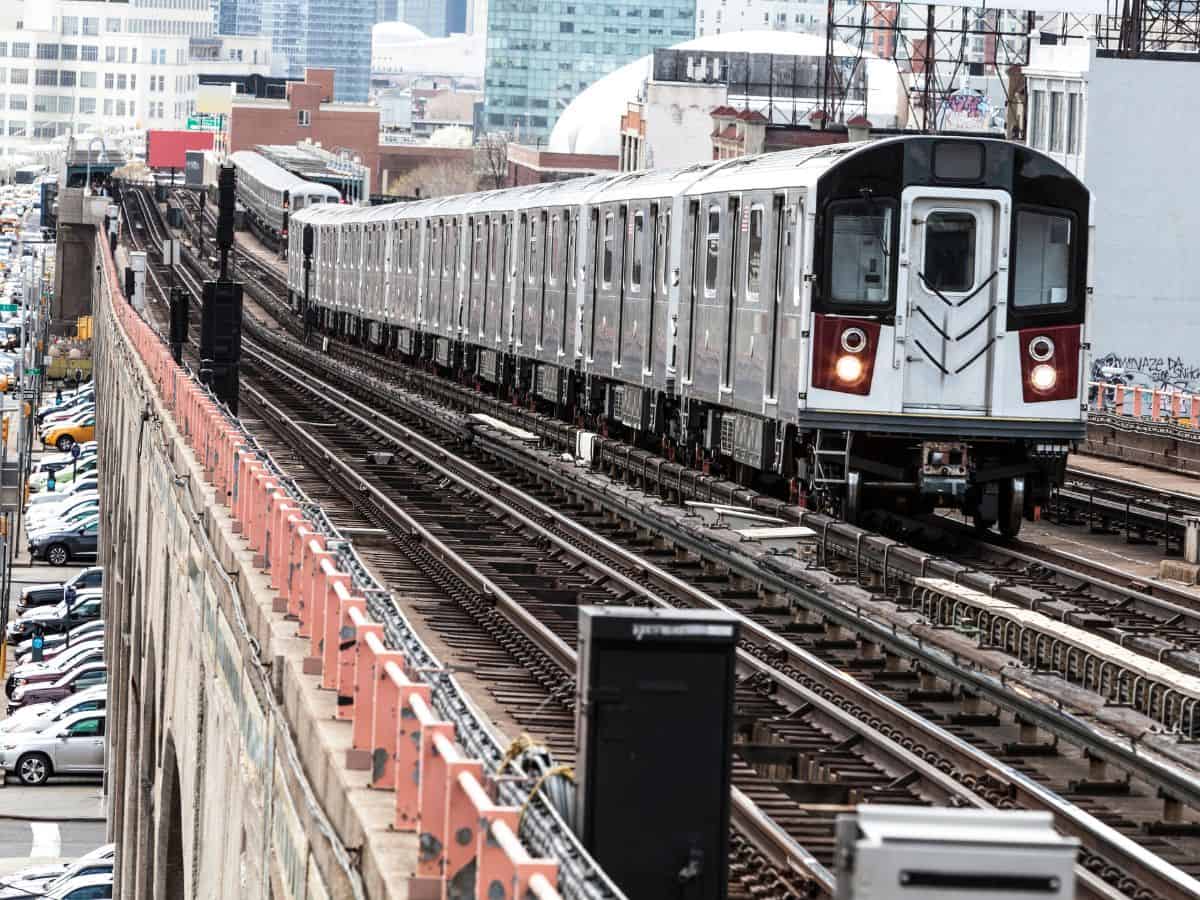
A standard subway or bus ride costs $2.90, while express buses are priced at $7.00 per trip. A monthly Unlimited MetroCard now costs $132. Add in congestion pricing, ride-share markups, and tolls, and transportation is a growing monthly burden.
Source: MTA Fares & Toll Schedule
5. Taxes, Fees, and Surcharges

New Yorkers pay federal, state, and city income taxes, with combined rates that are among the highest in the country. Real estate transfer taxes, congestion surcharges, and business licensing fees impact nearly every transaction. Ongoing MTA deficits may result in even more hidden taxes.
Source: Kiplinger on MTA shortfall & New York State Revenue Data
6. High Cost of Dining and Entertainment
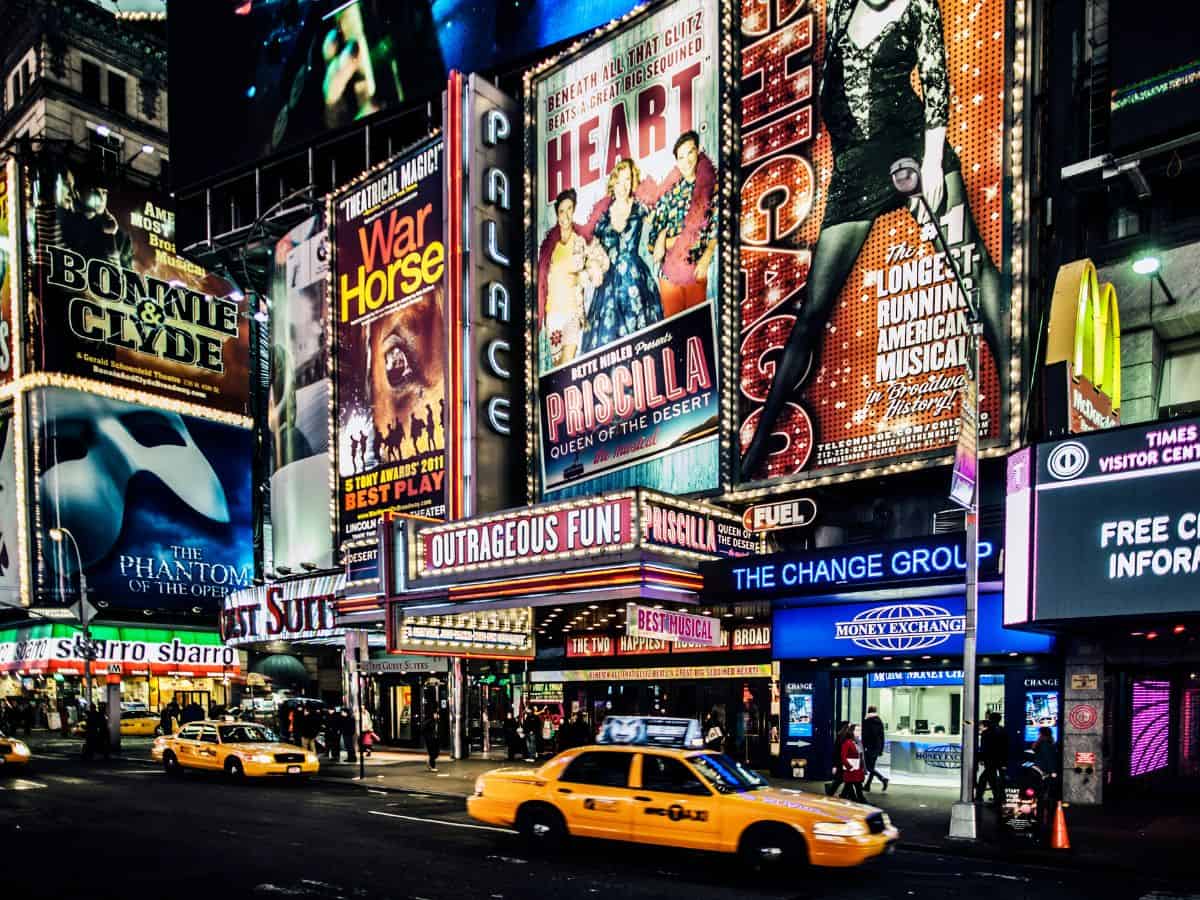
Dining out in New York is rarely cheap, as restaurants contend with high rents, wage mandates, and licensing costs. Broadway tickets, concerts, and museum events are priced for tourists and wealthy locals. Service fees and mandatory tipping norms quickly add up, making even casual nights out expensive.
Source: FT.com & local NYC nightlife pricing surveys
7. Insurance and Healthcare Costs

Renters and homeowners in New York pay more for insurance due to liability risks and crime rates. Health insurance is also more expensive, driven by high hospital and provider costs in the region. Out-of-network surprises and narrow plans make healthcare even harder to manage financially.
Source: NY Health Plan Marketplace & Insurance Rate Filings
8. Private Schooling and Childcare

Childcare for infants and toddlers regularly exceeds $3,000 per month. Private school tuition, tutoring, and test prep programs add thousands more to family budgets each year. Education-related costs in New York are among the highest in the country.
Source: NYC childcare market studies & school pricing reports
9. Income Inequality and Price Creep

High earners in finance, media, and tech raise the pricing floor across entire neighborhoods. Local businesses adjust their rates to meet the spending habits of wealthier clientele. Even basic services follow the trend, leaving lower- and middle-income residents behind.
Source: FT.com on cash purchases & Investopedia on cost-of-living index
10. Regulation and Operational Costs for Businesses

Running a business in New York is expensive. Commercial rents, compliance costs, and fees for permits and inspections are among the highest nationwide. These costs are passed on to consumers, making everything from dry cleaning to gym memberships noticeably more expensive.
Source: NYC Small Business Services & licensing fee schedules
Read More From Bae Area and Beyond
Top 25 Reasons Why California Is So Expensive?
Need help planning a trip? We can help plan your trip!
