
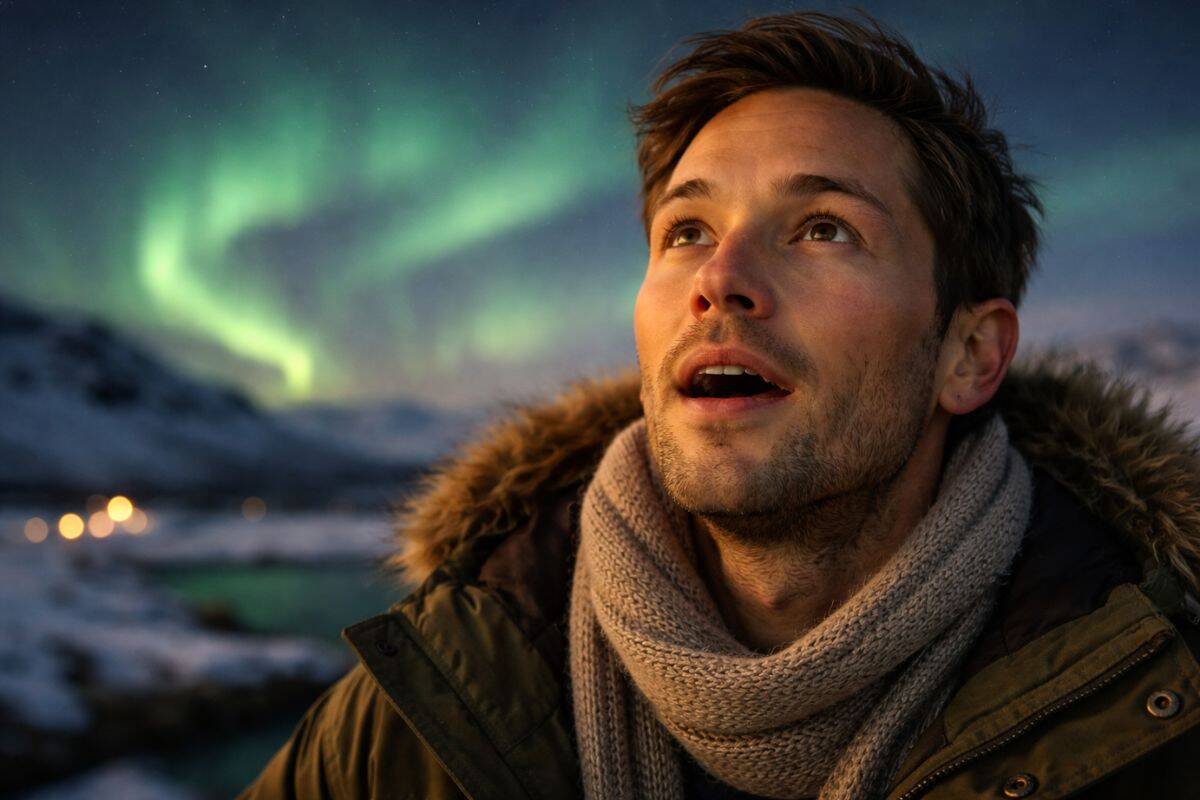
Some destinations feel raw and untamed, where powerful landscapes shape every moment of the journey. Traveling to places like this often requires thoughtful planning, since shifting weather, remote roads, and rugged terrain can all influence the experience. Iceland is one such region, known for its dramatic contrast of glaciers, volcanoes, geothermal pools, and vast natural scenery that rewards travelers who prepare carefully.
From icy waterfalls and steaming hot springs to black sand beaches and volcanic valleys, every stop offers something unforgettable. This listicle highlights some of the best things to do and see so you can plan an incredible trip through this remarkable European destination.
1. Rent a 4×4 Vehicle
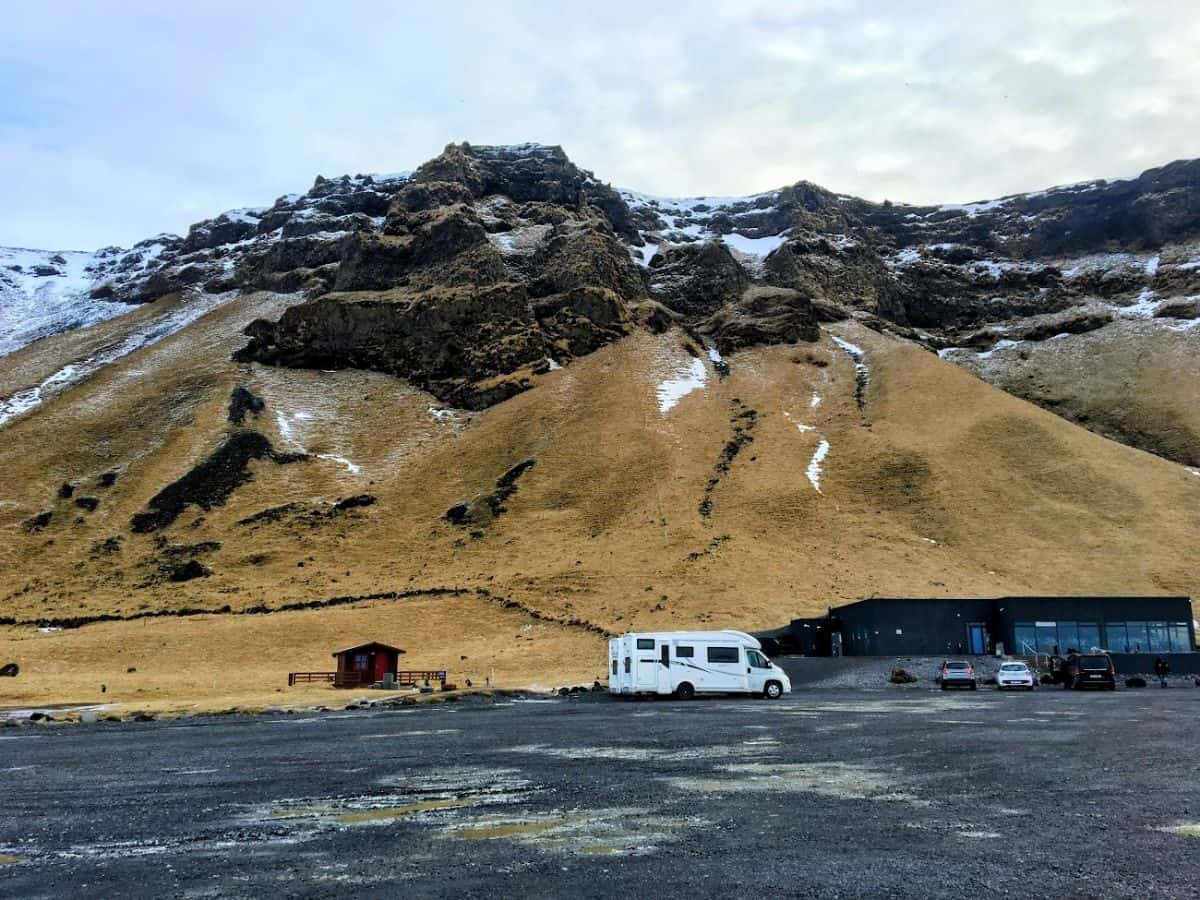
If you’re traveling in winter, rent a 4×4. Some roads get icy, slushy, or completely buried in snow. A 4×4 gives you way more control and keeps you safer, especially on mountain roads or less-traveled routes. Make sure the rental includes studded winter tires since not all of them do.
2. Monitor the Weather & Road Conditions Daily
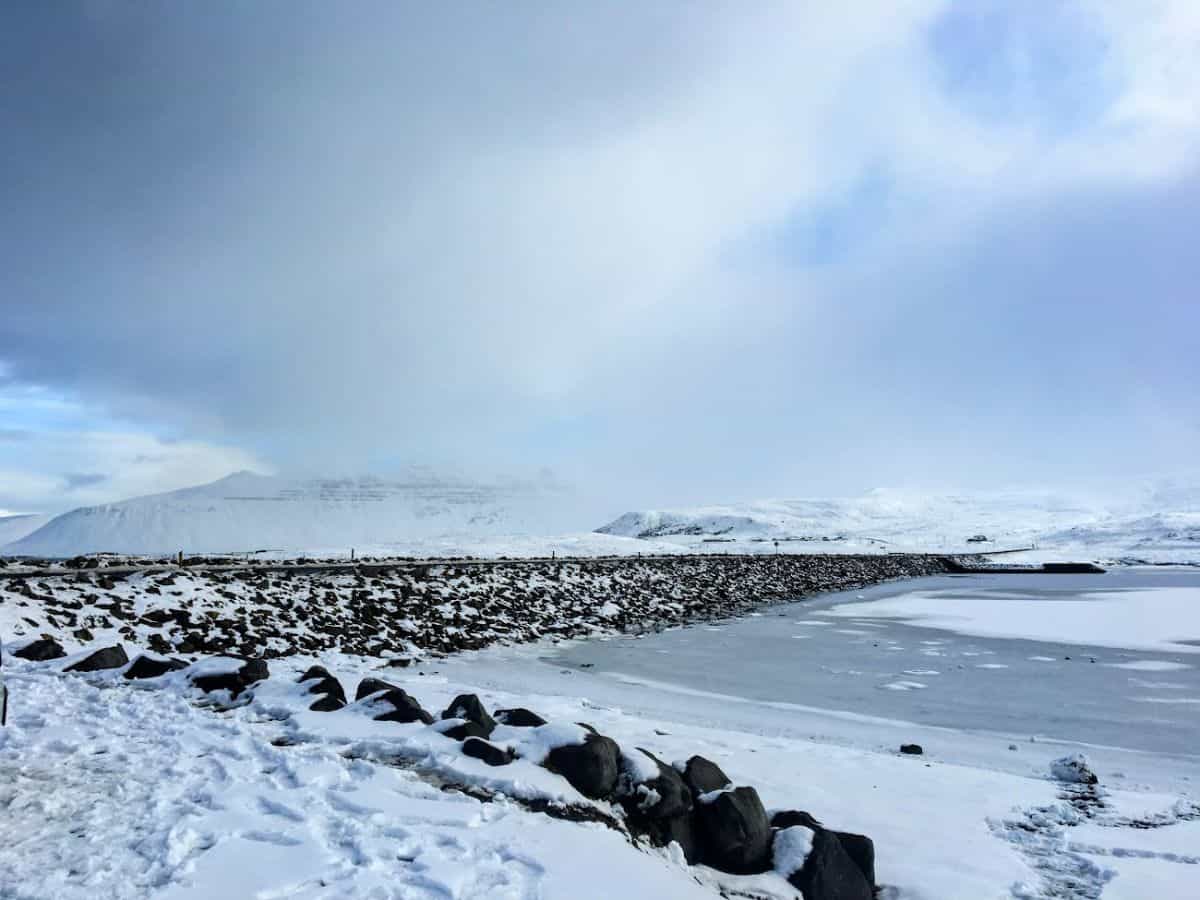
Keep an eye on the weather and road conditions every single day. Iceland’s weather can switch from calm to crazy fast. Vedur.is gives you real-time weather updates, and Road.is shows which roads are open or shut down. Plans can change at the last minute, so stay flexible and ready to pivot.
3. Pack the Right Winter Gear
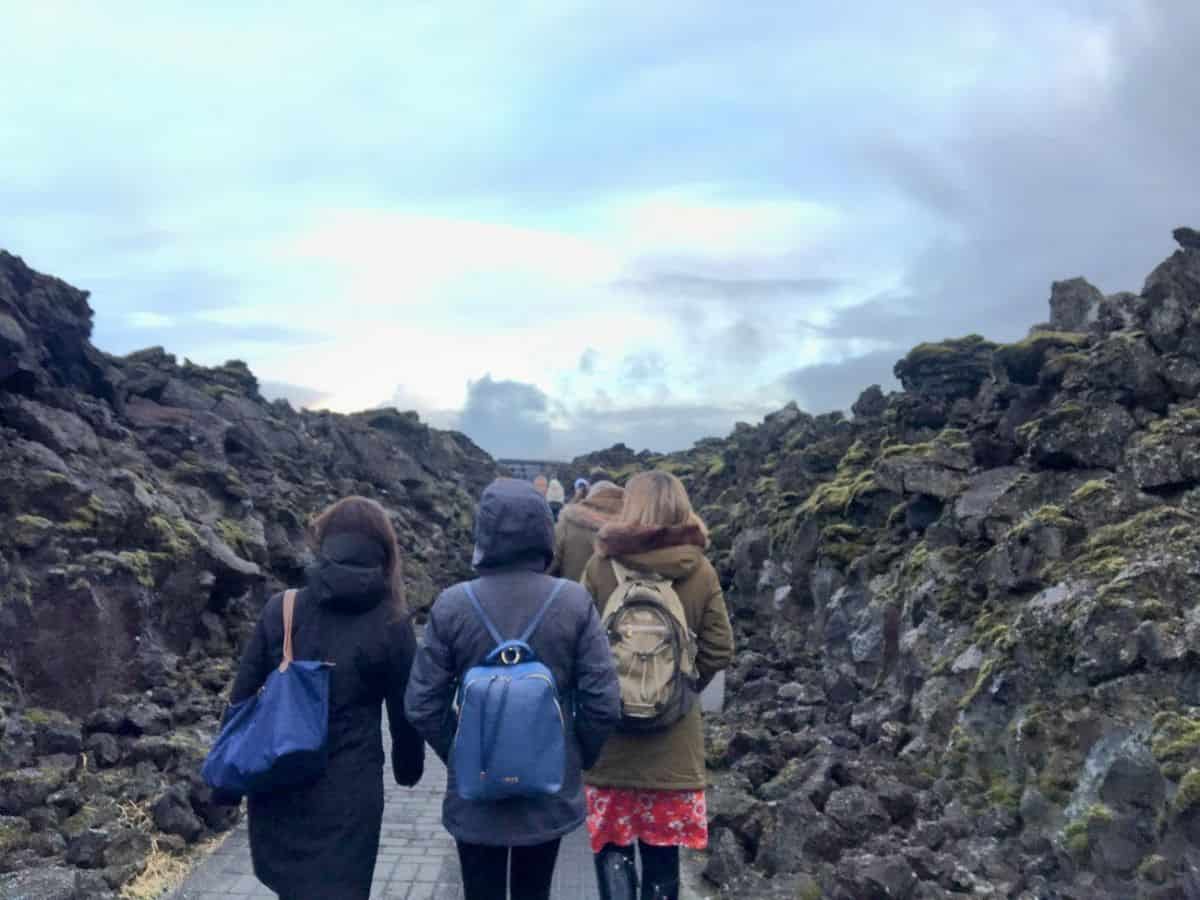
If you are heading somewhere cold, make sure you bring the right clothes. Wear thermal base layers to help keep your body warm. A waterproof jacket and pants will keep you dry if it snows or rains. Bring a warm hat, gloves, and a scarf to protect your head and hands. Wool socks and strong boots with good grip are important if you will be walking on ice. Also pack sunglasses because the sun can shine off the snow and hurt your eyes.
4. Drive Cautiously & Slowly
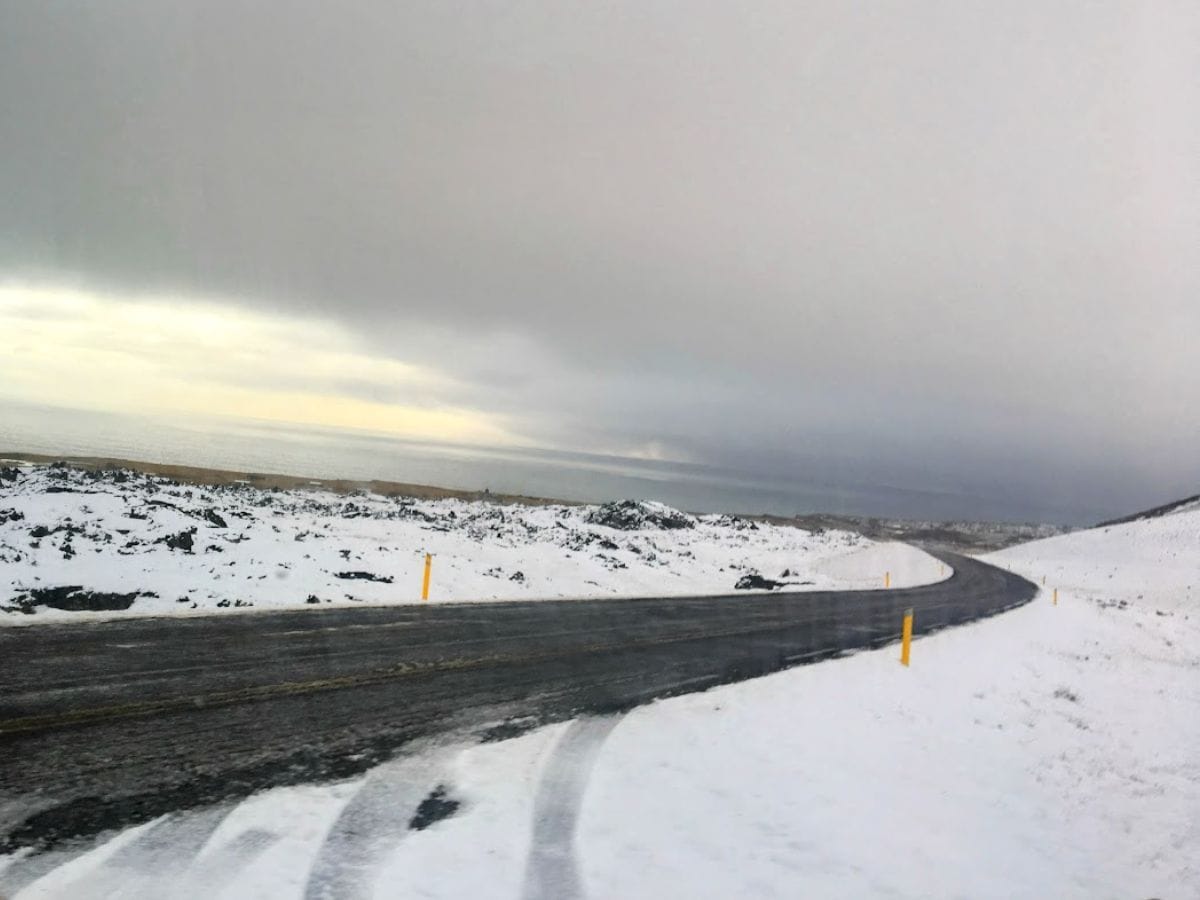
Winter driving in Iceland is no joke, so take it slow like the locals do. Keep extra space between you and the car in front in case you need to stop fast. If there is heavy snow or strong wind, it is safer to stay still until things clear up. If you do not feel confident driving in those conditions, it is totally okay to skip the drive. Better safe than stuck.
5. Avoid F-Roads in Winter
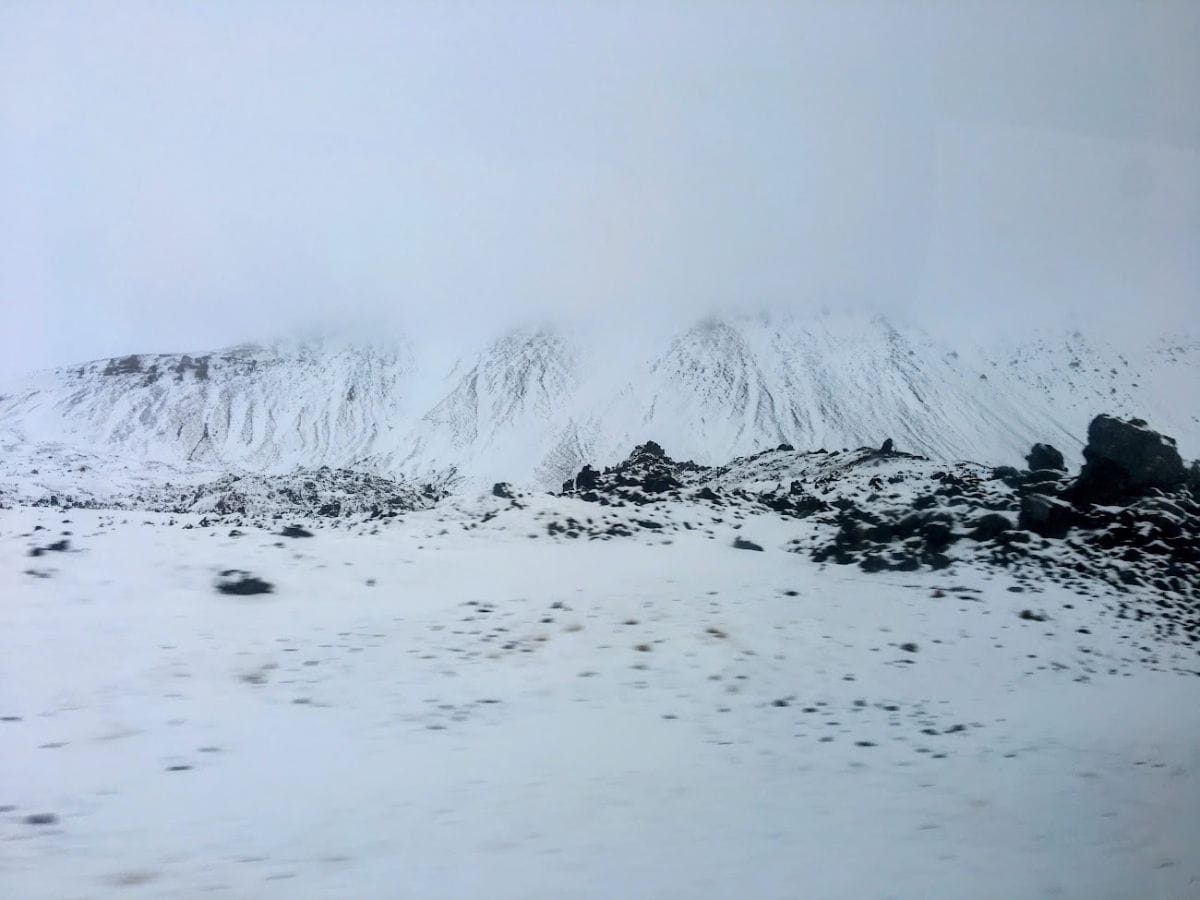
F Roads are mountain roads in Iceland, and they are not made for winter travel. Most are closed from October to June because they get covered in snow and ice. Even if one looks open, it is not safe unless you have serious experience and the right vehicle. Stick to main paved roads and marked tourist routes to keep things simple and safe.
6. Take Extra Daylight Into Account
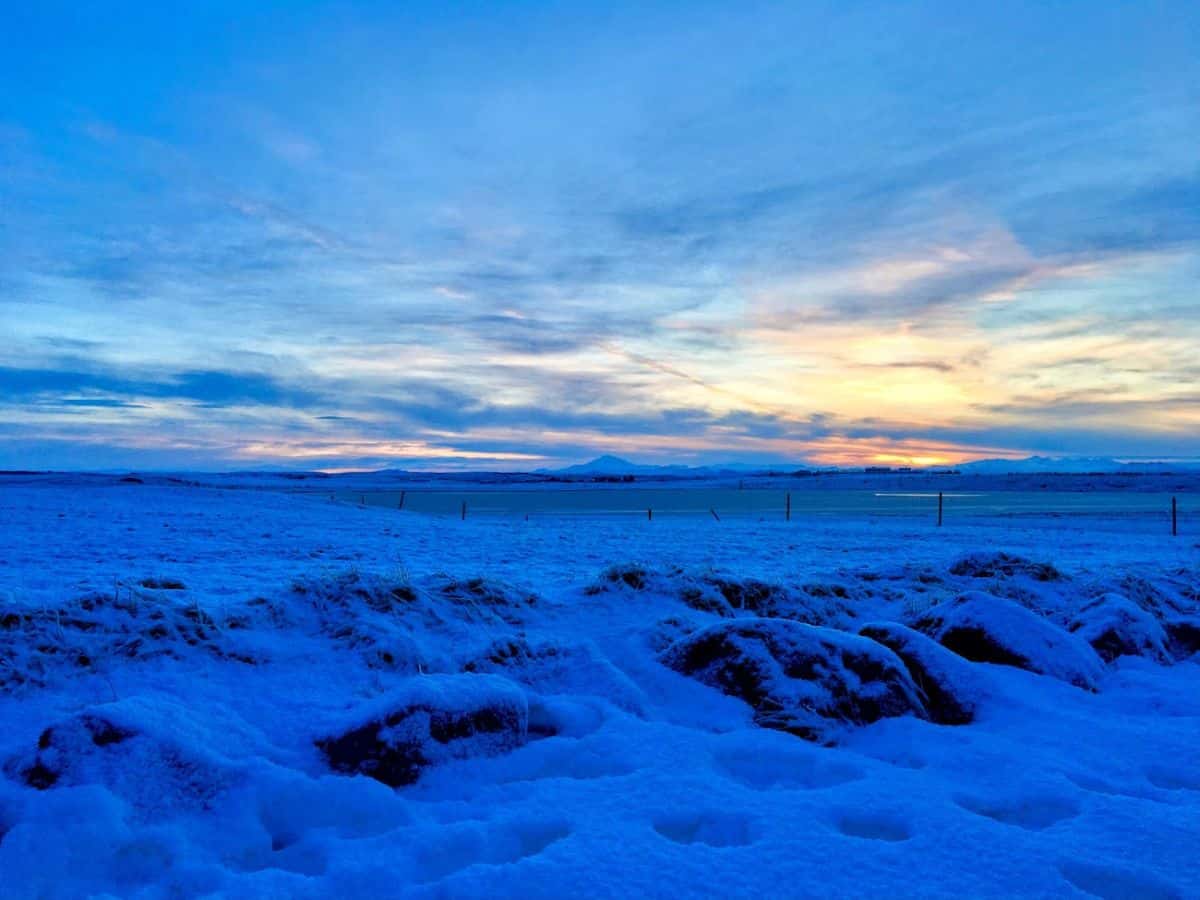
In winter, Iceland only gets about 4 to 5 hours of daylight, especially in December and January. That means you have to plan your day carefully. Try to do your main activities like sightseeing or driving while it is still light. Save the dark hours for food, rest, or indoor spots so you do not miss anything important.
7. Book Accommodation in Advance
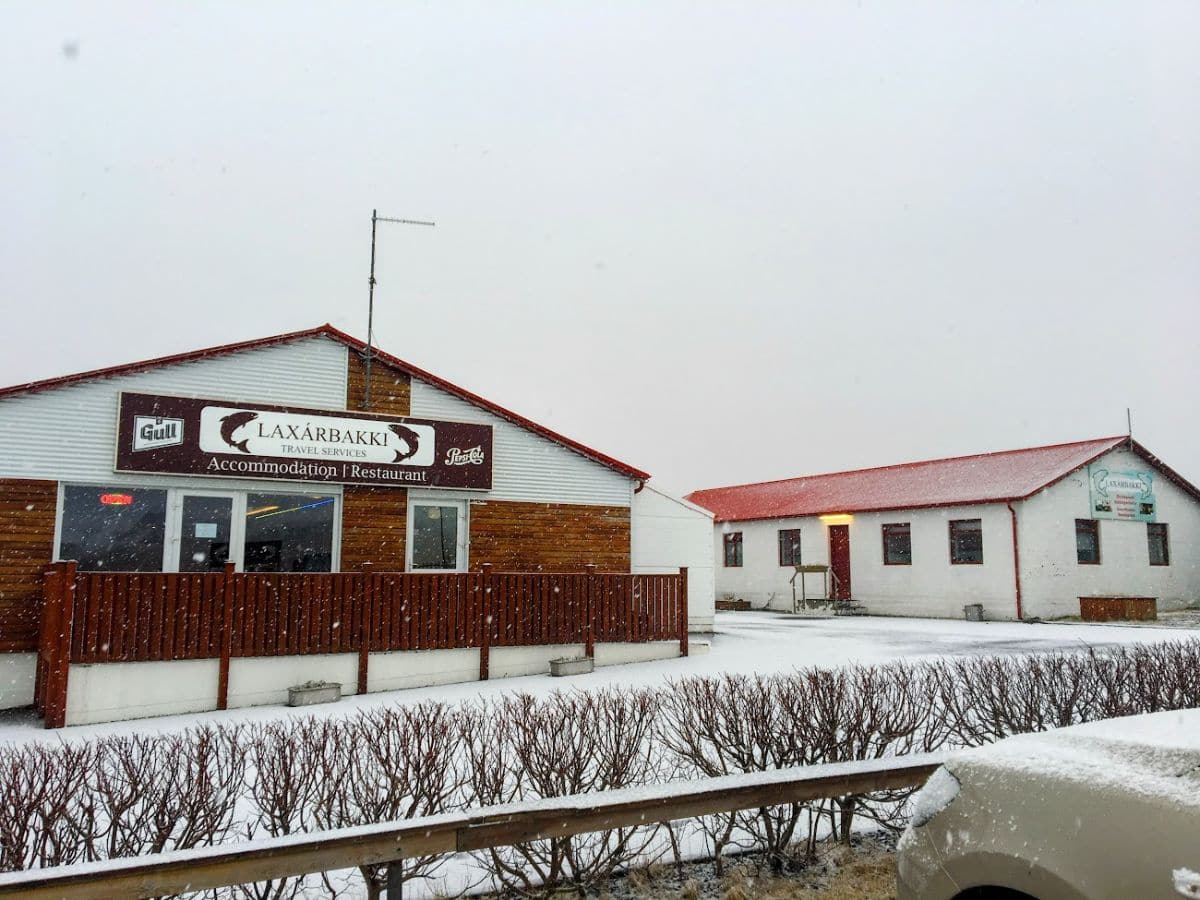
In winter, towns like Vik, Höfn, and spots near the Golden Circle get booked up quickly. Snow and road conditions can slow you down, so it helps to know exactly where you are staying. Finding a place at the last minute can be tough, especially when it gets dark early. Save yourself the stress and book ahead.
8. Expect Delays & Have Backup Plans
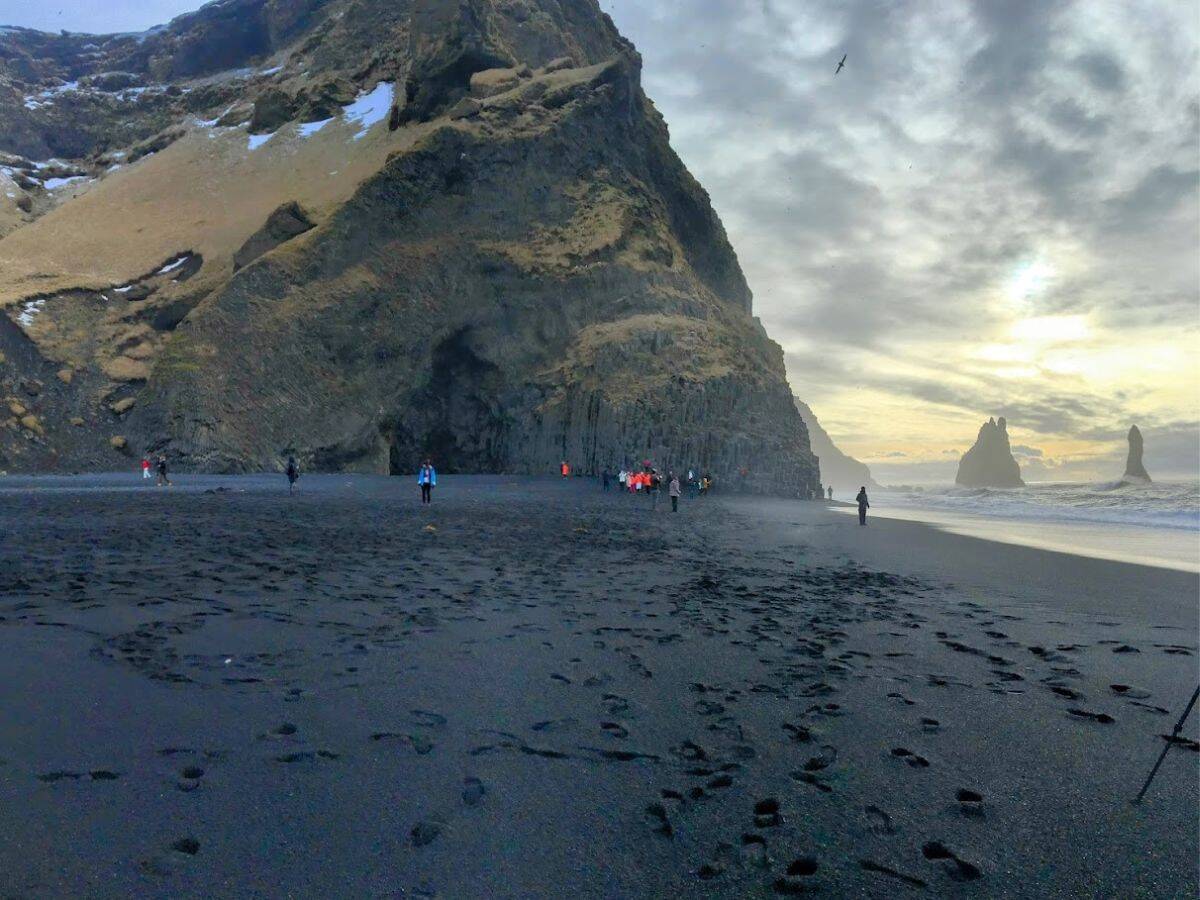
Winter weather in Iceland can change quickly. Snowstorms might close roads or cancel tours without much warning. Always have a backup plan like another place to visit or extra time in your schedule. Be ready to stay an extra night if you need to. It is much easier when you are prepared.
9. Visit Geothermal Pools
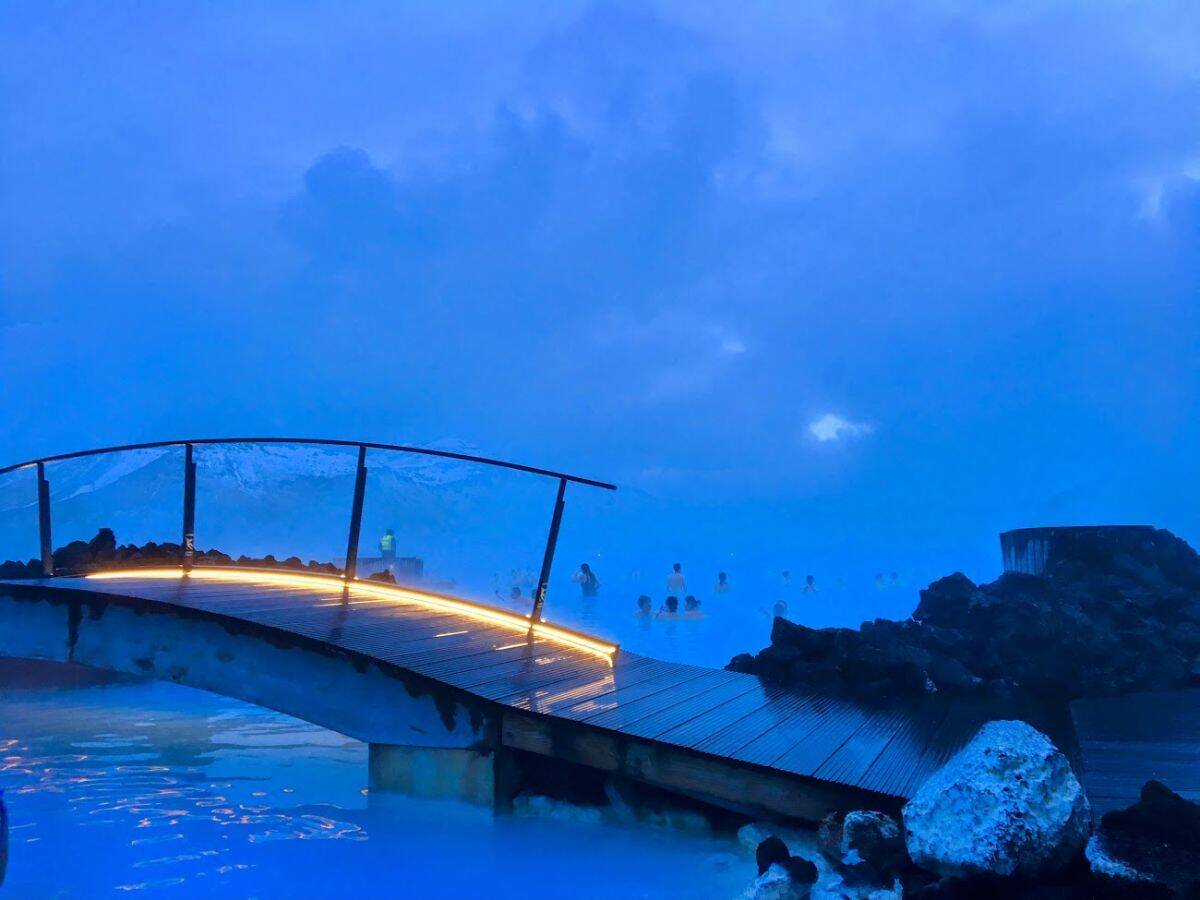
Hot springs are a must in Iceland, especially in winter. There is nothing like relaxing in warm water while snow falls around you. Locals do this all the time, and it is one of the best ways to enjoy the cold. Try the Blue Lagoon, the Secret Lagoon, or find a natural hot spring out in the wild.
10. Keep Your Camera Ready
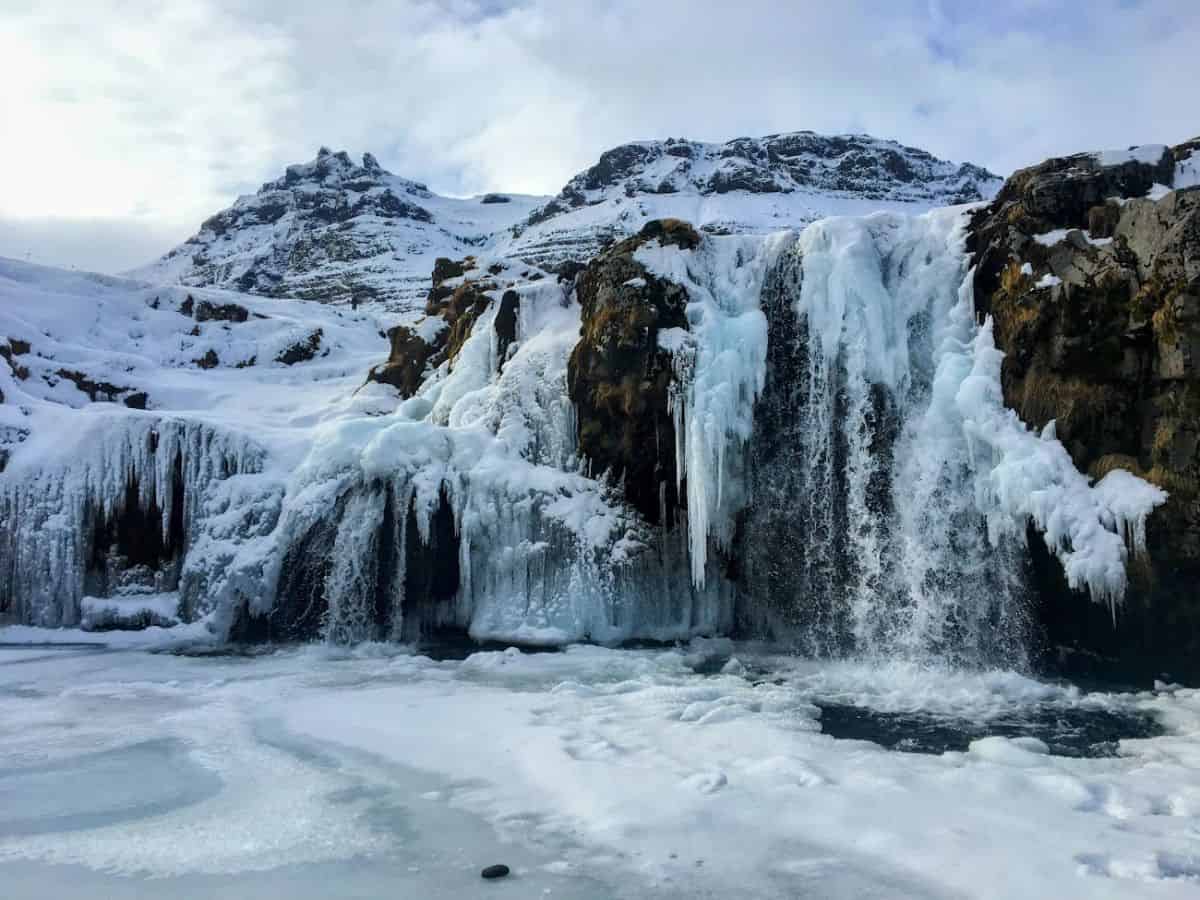
Winter in Iceland looks like a postcard. Snowy landscapes, icy waterfalls, and those fluffy Icelandic horses are too good not to capture. Keep your camera or phone handy at all times. Just be sure to protect it from the cold and wet so it does not get damaged.
11. Don’t Underestimate the Wind
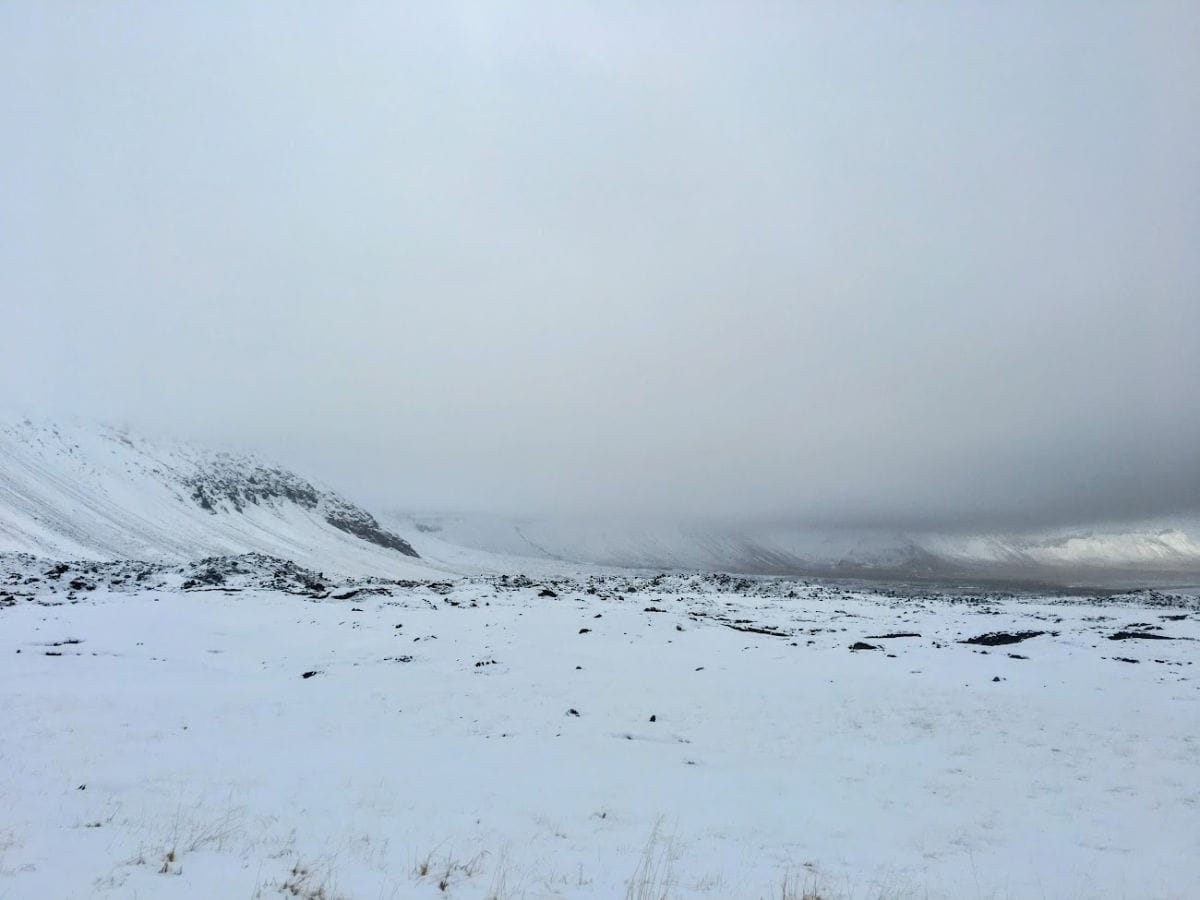
Iceland’s wind can hit hard and make it feel much colder than it is. It gets especially strong near waterfalls and wide open areas. Dress in warm layers that stay close to your body, and keep a tight grip on your hat and phone. The wind can sneak up fast, so be ready for it.
12. Northern Lights Bonus
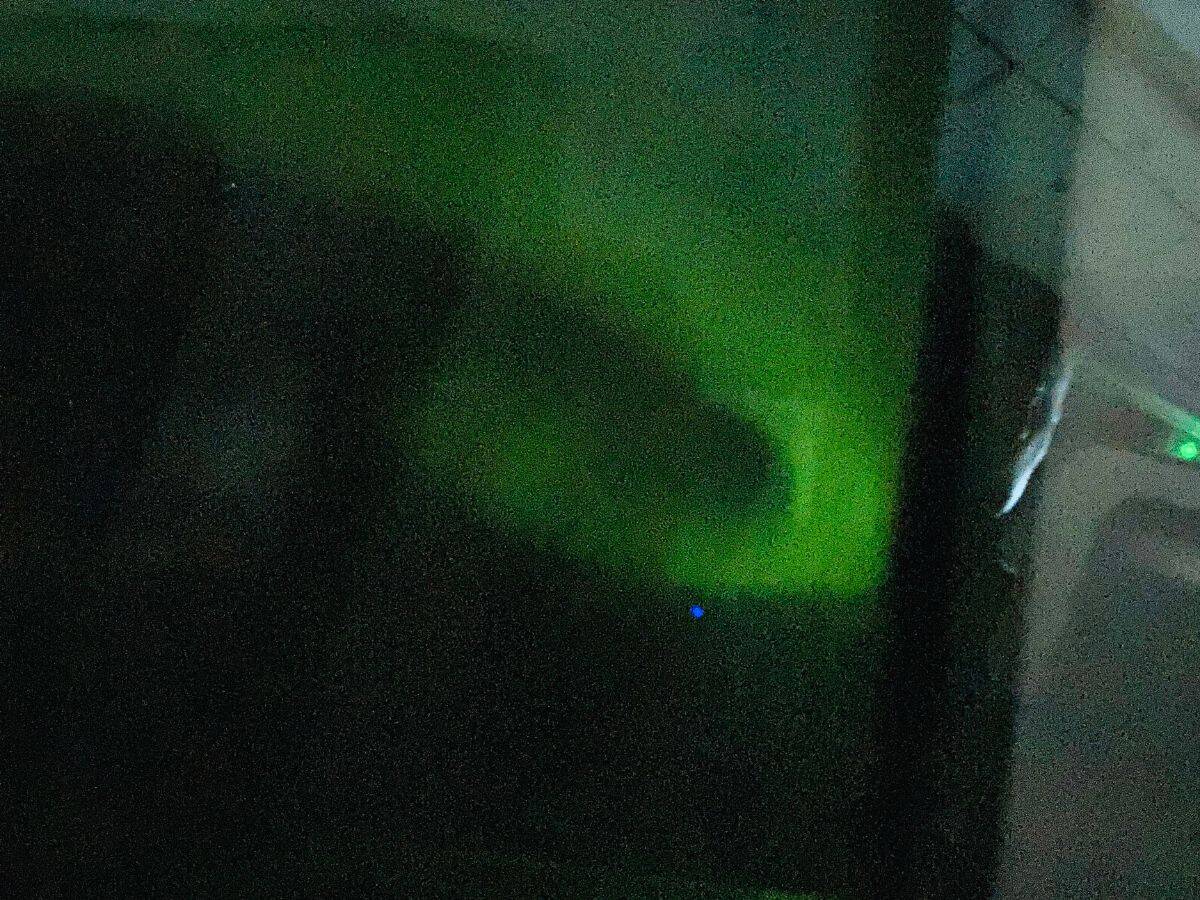
Winter means the prime Northern Lights season in Iceland. The best time to see them is on clear, cold nights, away from city lights. Download an Aurora forecast app so you know when to head outside. Dress warm, be patient, and get ready for one of the coolest sights you will ever see.
13. Consider Guided Tours
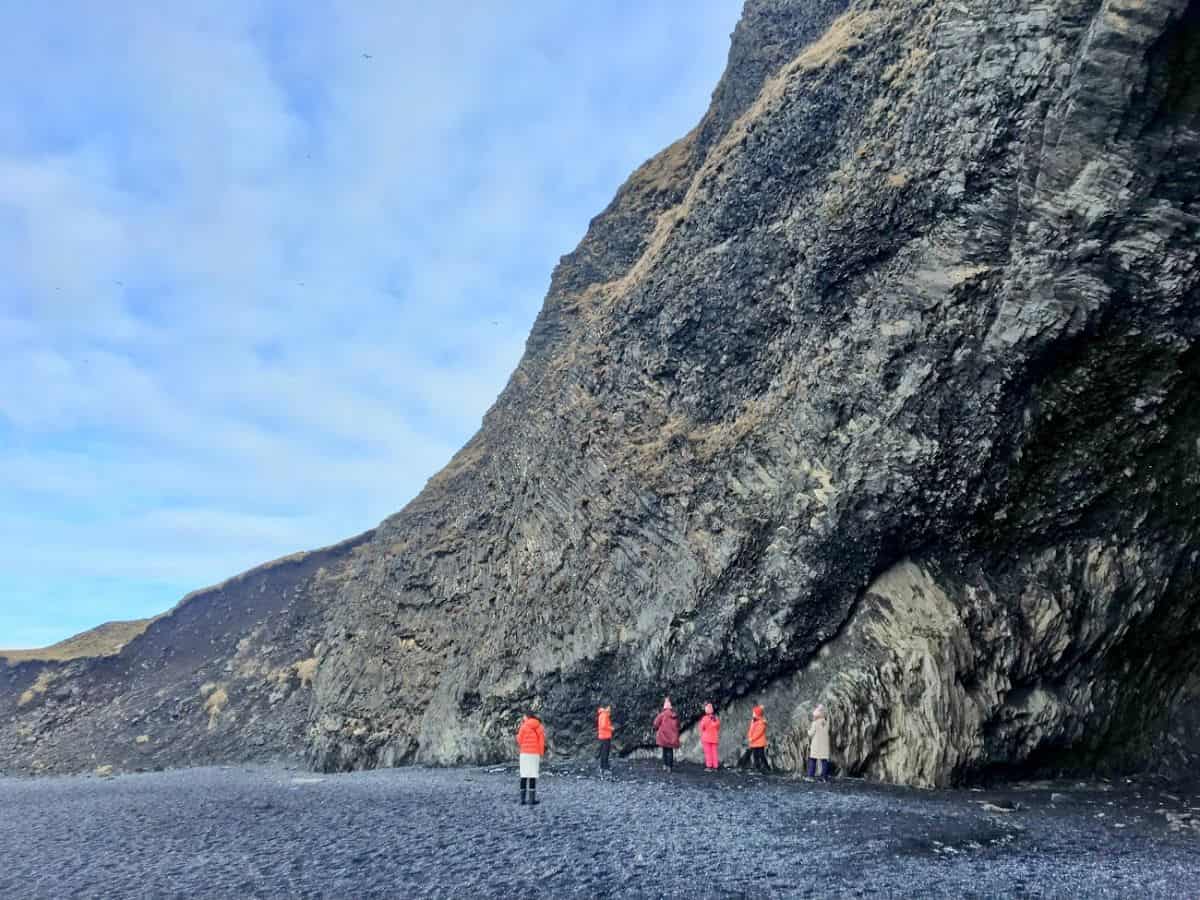
Winter driving in Iceland can be tough, so if you are not confident, go with a guided tour. It is safer, less stressful, and you still get to see all the best spots. Tours are great for places like the South Coast, the Golden Circle, or catching the Northern Lights. You can sit back, stay warm, and let someone else handle the roads.
Read More From Bae Area and Beyond

11 Ways to Save on Gas – Driving Shouldn’t Be This Expensive
10 Road Trip Planning Mistakes You Can’t Afford to Make
15 California Destinations That Look Like Europe
Need help planning a trip? We can help plan your dream road trip in California!
Follow our California experiences: Facebook | Instagram | Pinterest | TikTok
