
San Francisco is a city full of charm, culture, and opportunity, but it comes with a high price tag. The cost of living is driven by limited housing, high taxes, expensive food, and steep rents. Public transportation struggles to meet residents’ needs, and the influence of big tech has pushed housing and living costs even higher.
In this blog, we’ll break down the main reasons why San Francisco is so costly and what makes life in the city so expensive for so many.
Disclaimer: Bae Area and Beyond contains affiliate links so if you make a purchase using one of these links, we may receive compensation at no extra cost to you. This also supports our content to be free. Read our disclaimer policy for more info.
1. Limited Housing
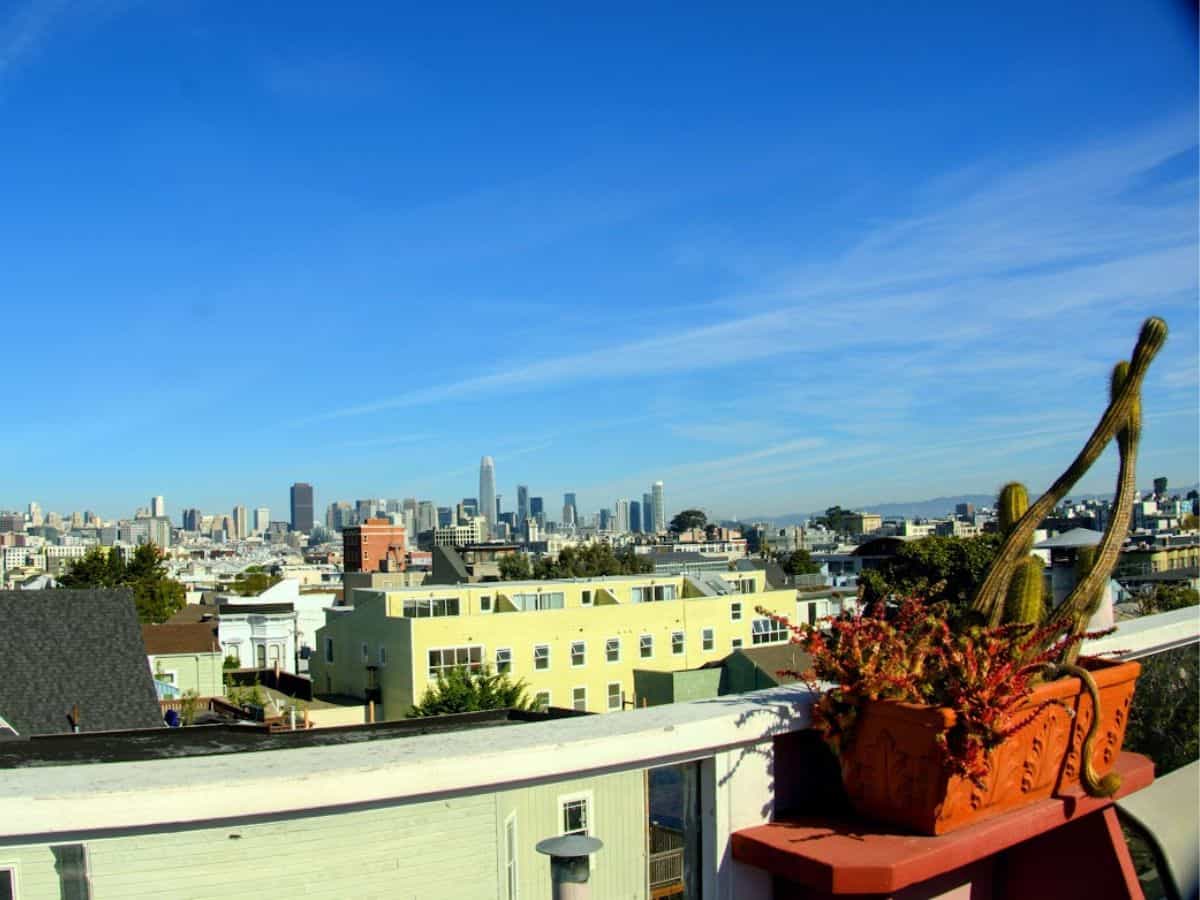
San Francisco’s small size—just 7 miles by 7 miles—leaves little space for housing. With limited homes available and a lot of people wanting to live here, prices naturally climb. Adding to the challenge, strict local regulations often make it tough to build more homes, so the number of available properties stays low.
The city’s location doesn’t help either. Surrounded by water on three sides, San Francisco has no room to spread out like other cities can. And because of earthquake concerns, you won’t see many tall buildings popping up to create more housing options.
All of this creates a huge demand for a very small supply of homes, which pushes costs higher and higher. While owning property here can be a smart investment since values often rise, it’s no secret that buying or renting in San Francisco is incredibly pricey. It’s part of what makes this vibrant city so unique—but also so expensive.
2. Culture & Entertainment

San Francisco is a center for art, music, and creativity. Historic venues like The Fillmore have hosted legendary performers such as Led Zeppelin, Janis Joplin, and the Grateful Dead. Bands like Santana, Journey, and Metallica also started in the Bay Area, cementing their place in music history.
Comedy has deep roots here too. Robin Williams began his career performing at spots like The Punchline and The Other Cafe, drawing attention to San Francisco as a hub for comedians.
The city is also where counter-culture art intersects with business, creating a space where new entertainers and ideas are born. Today, San Francisco is home to a thriving community of artists working in diverse forms like painting, sculpture, video, and performance art.
Known for its diversity and inclusiveness, San Francisco’s festivals, museums, and architecture showcase a rich cultural mix. While the high cost of living is undeniable, the city’s unique blend of history, creativity, and culture makes it a standout destination for people from all walks of life.
3. High Rent

Rent in San Francisco is among the highest in the country. The median rent for a one-bedroom apartment is $3,200, and a two-bedroom costs around $4,025. This is $1,200 more than the national average. Many people living in the city share apartments with roommates to afford these high prices.
Buying a home is also difficult, with most homes starting at over $1 million and the average price at $1.3 million. Because of this, many residents move to the suburbs where housing is more affordable.
San Francisco’s rent is high partly because of limited housing. The city protects its historic buildings, especially in areas like South of Market, leaving little room for new apartments or homes. With fewer places available and a high demand to live in the city, prices continue to rise.
4. Food Prices are So High
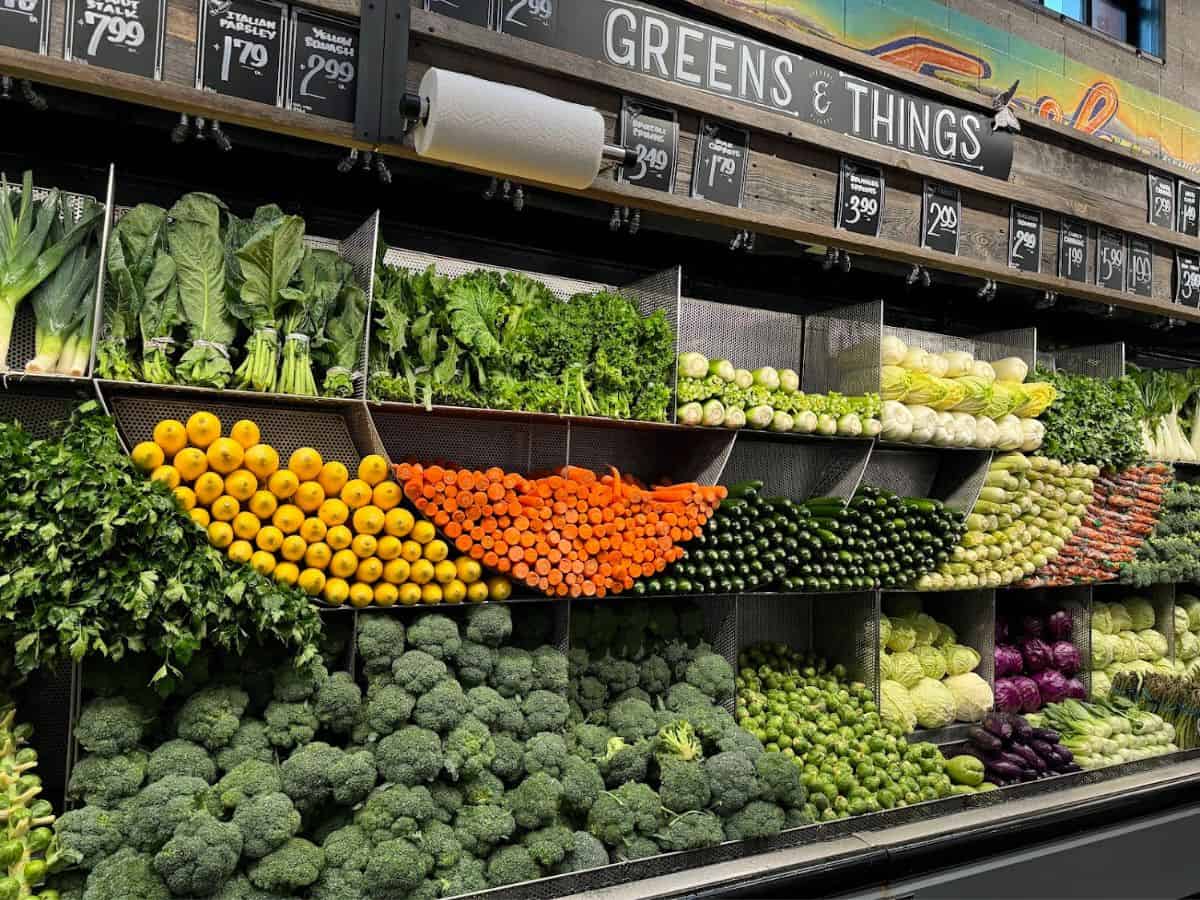
Food in San Francisco is expensive, just like everything else. According to data from LivingCost.org, the average monthly food expense for one person is $806, ranking the city 13th out of 2,202 places worldwide for food costs.
A simple meal at a casual restaurant can cost $25, and a three-course dinner for two might reach $120. Even a coffee can be over $5, and a pint of craft beer is around $8. Eating out can quickly add up.
To save money, shop at discount stores and look for coupons or special offers. Small savings can make a big difference in a city where food costs are so high. Living in San Francisco means being prepared for higher prices, even when it comes to something as simple as your next meal.
5. Parking
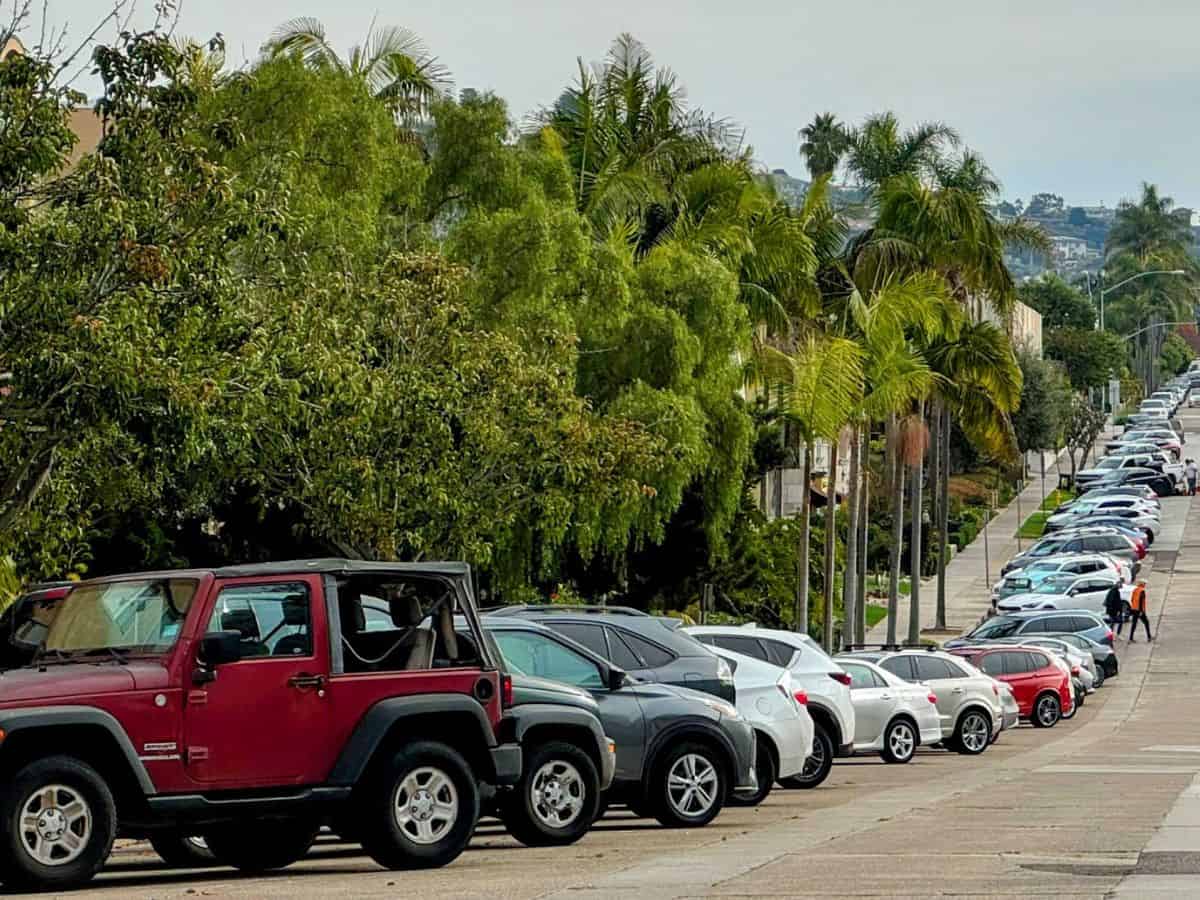
Parking in San Francisco is expensive and can add up fast. Metered parking rates go as high as $6 per hour during busy times, and parking garages near popular tourist spots can charge $10 or more per hour. For anyone driving in the city, parking costs are unavoidable and can make even a short trip costly.
If you’re parking monthly, expect to pay at least $300. While this is high compared to most cities, it’s still around $150 less than the monthly parking cost in New York City.
San Francisco’s dense population and limited parking spaces make affordable parking hard to find. Be prepared to factor these costs into your budget if you plan to drive regularly in the city.
6. Car Maintenance Costs
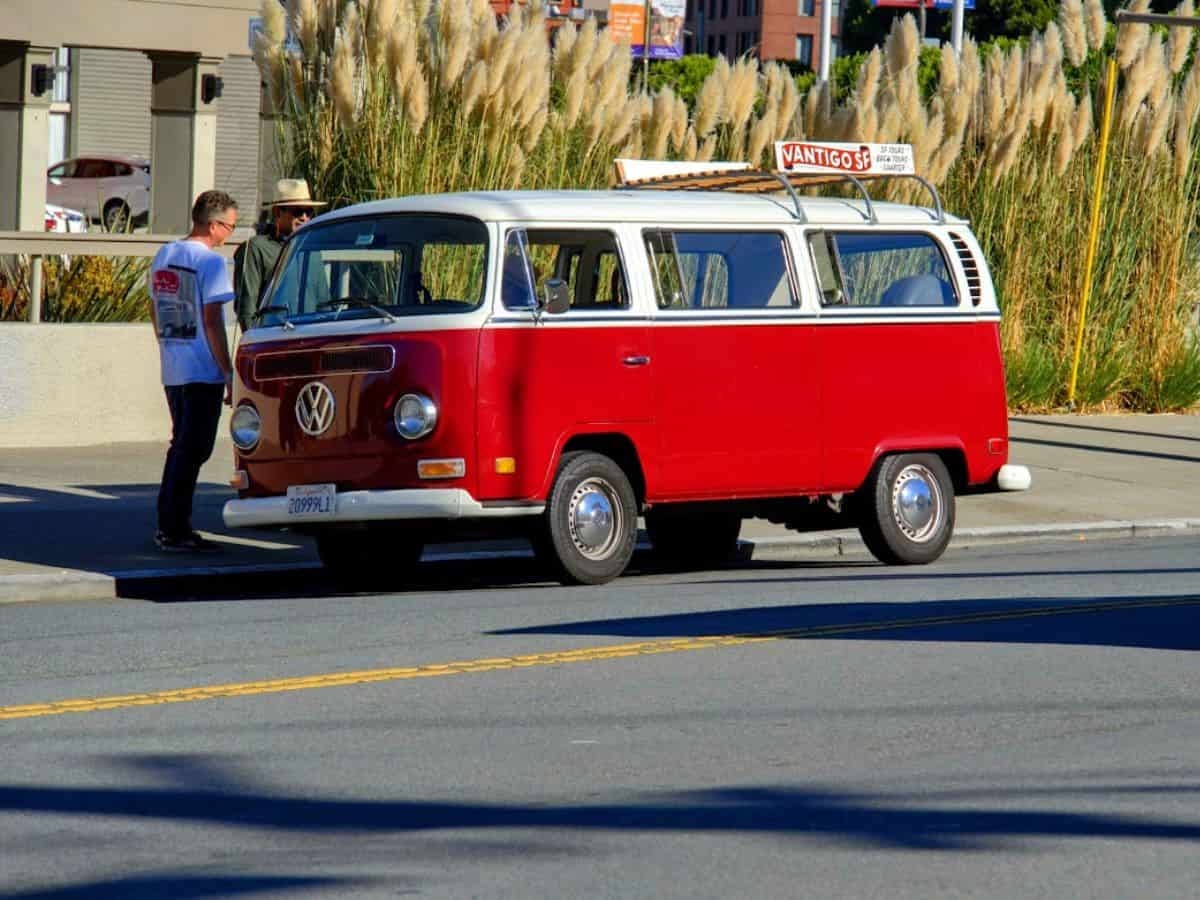
Car maintenance in San Francisco is more expensive than anywhere else in the U.S. Repairs here cost 21.92% more than the national average. For example, balancing your tires in the city will set you back $75—50.23% higher than the national average. That’s $26 extra just for this one service.
The steep hills of San Francisco add to the problem. They cause more wear and tear on tires and suspension, making repairs like tire balancing a frequent need. If you notice uneven tire wear or strange vibrations, it’s a sign that your tires may need balancing—a costly but necessary fix in the city.
San Francisco is also a leader in electric vehicle (EV) use, but fixing EVs can be more expensive than gas-powered cars. This adds another layer of cost for drivers in the city.
Driving in San Francisco means you’ll pay more to keep your car running. If you plan to own a car here, it’s important to set aside money for higher repair bills.
7. Big Tech Influence
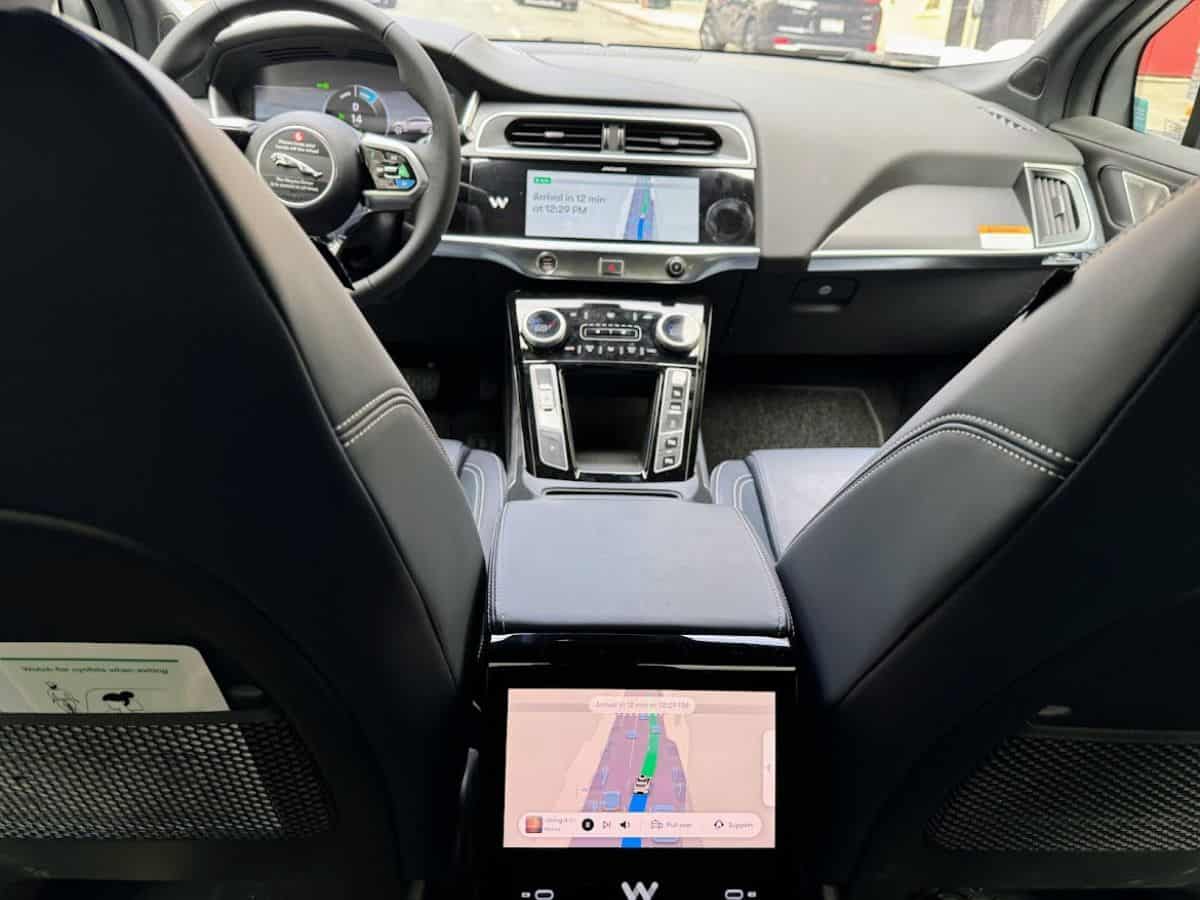
In the past 20 years, tech companies have transformed San Francisco, bringing jobs and wealth but also driving up housing costs and reshaping neighborhoods. Big names like Apple, Google, and Tesla have a huge presence, with employees relying on shuttles like the famous “Google bus” to cut commute stress.
While the tech boom has dropped the unemployment rate to just 3.5%, housing has become too expensive for most families. Homeowners see their property values soar, but fewer buyers can afford to move in.
Tech leaders like Michael Moritz and Chris Larsen are also investing millions in local politics, pushing for changes to city policies. This influence highlights both the opportunities and challenges tech has created for San Francisco.
8. Hills Make It Expensive
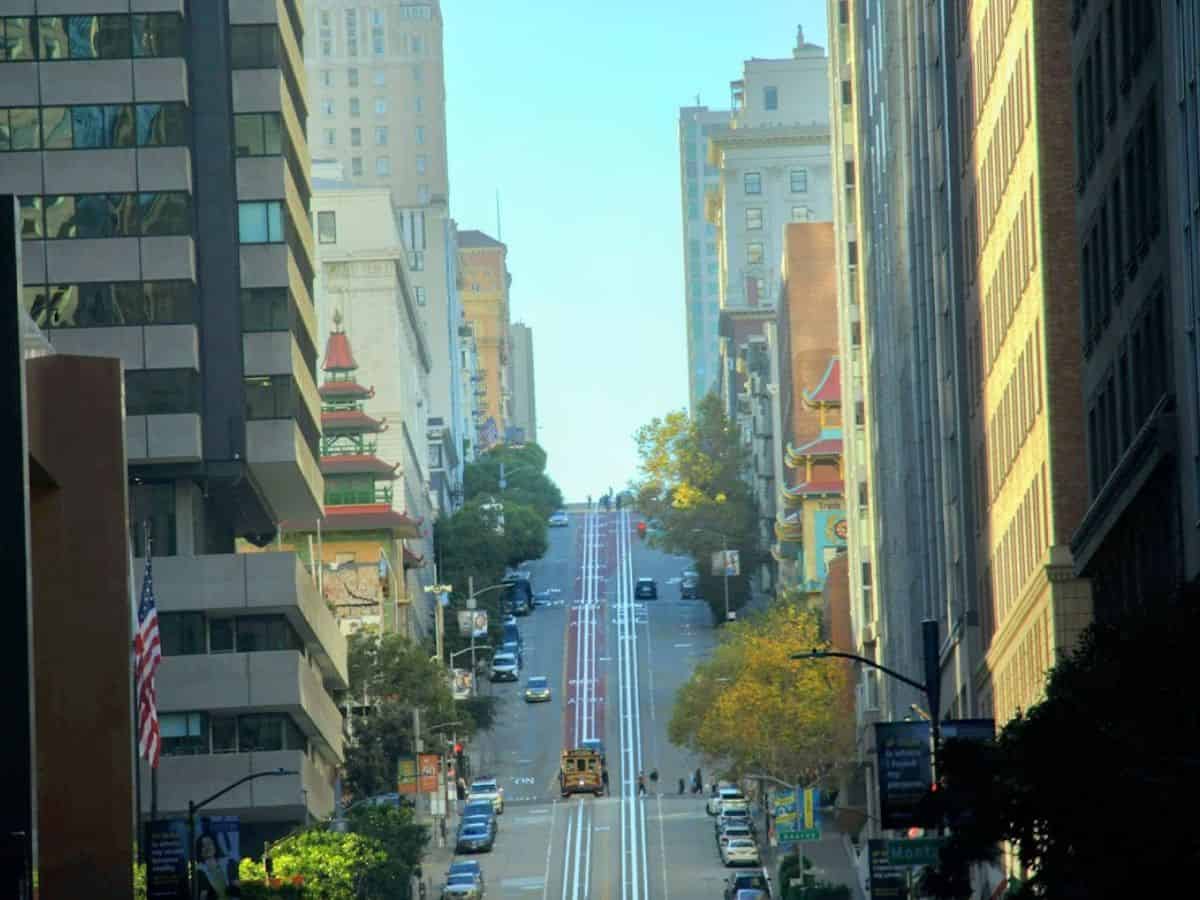
San Francisco’s steep hills are iconic, but they also add to the city’s high cost of living. Moving is a challenge here—parking is scarce, and reserving spots with an SFMTA “tow-away” permit costs at least $334.
Large trucks struggle with the steep slopes, often leading to higher delivery fees, which are passed on to residents. On top of that, crossing Bay Area bridges means paying tolls, with the Golden Gate Bridge being the most expensive.
These hills may be part of the city’s charm, but they’re also a big reason living here comes with a hefty price.
9. Costly Ocean Views
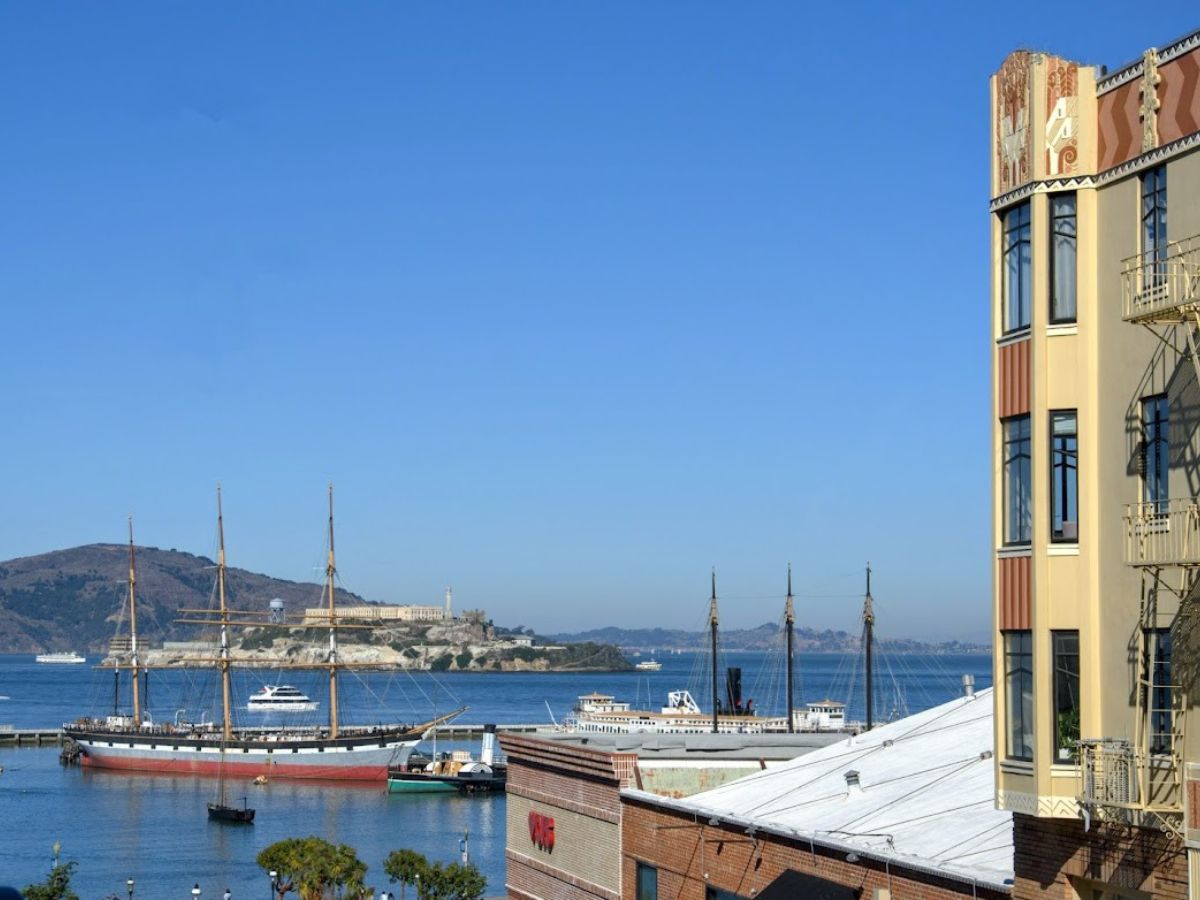
San Francisco’s ocean views are stunning, but they don’t come cheap. Homes with ocean views in the city are valued at an average of $1.2M making them a major reason why living here is so expensive.
These properties are in high demand because everyone wants to enjoy the beauty of the Pacific right from their window. But that demand pushes prices up even higher. On top of that, owning a home with a view often means higher property taxes and extra maintenance costs, especially since coastal homes are exposed to wind, salt, and other wear and tear.
While the views are undeniably beautiful, they’re also a big reason why San Francisco is one of the most expensive cities to call home.
10. Historic Charm for SF
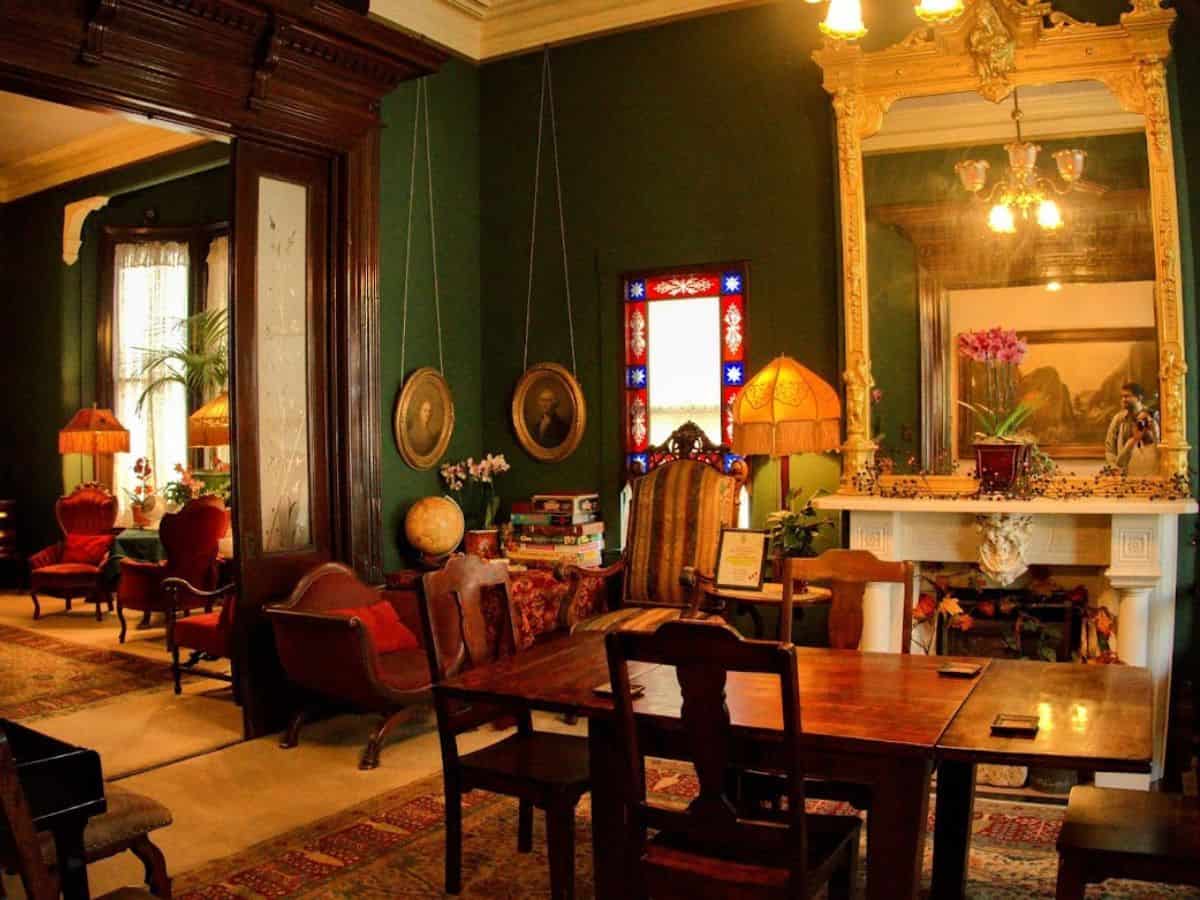
San Francisco is famous for its beautiful views, diverse culture, and historic landmarks like the Victorian Painted Ladies and iconic neighborhoods like Nob Hill. While this charm attracts people from all over, it also makes the city more expensive.
Maintaining historic homes and buildings is costly. Renovations often require special materials and must follow strict rules, driving up expenses for homeowners. These unique properties are in high demand, pushing up property prices and rents in historic areas.
The city also spends heavily to preserve its landmarks, which adds to overall living costs. San Francisco’s historic charm is part of its appeal, but it’s also one reason the city is so pricey.
11. Shortage of Buildable Land
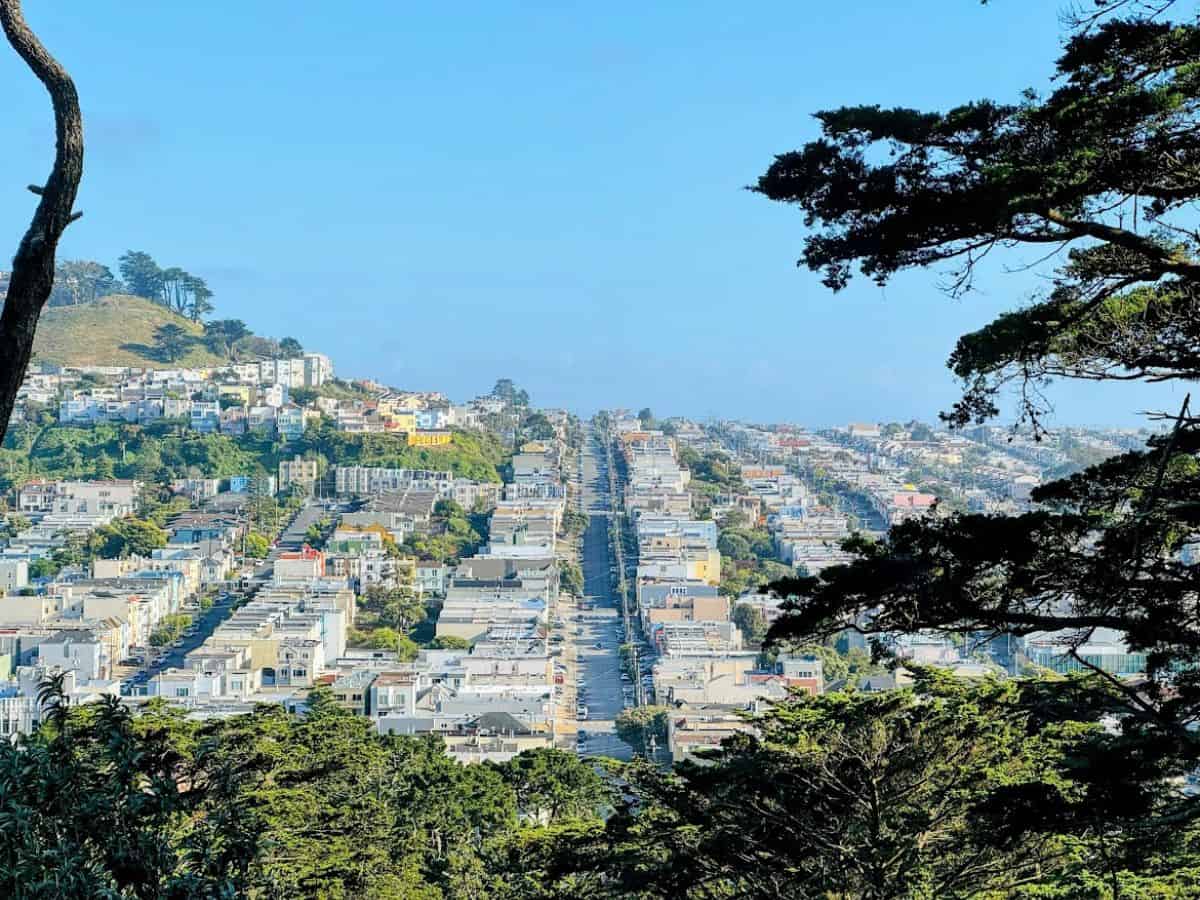
San Francisco’s high cost of living is partly due to a lack of buildable land. It’s more expensive and time-consuming to construct housing here than anywhere else in California. Despite increasing demand, the city has built very few homes over the decades, leading to a severe shortage.
This limited housing supply drives up prices, making it hard for middle-class families, young professionals, and others to afford living in the city. Many are forced to move out or endure long commutes. Zoning rules also restrict high-density buildings, reducing the number of available homes. For example, areas that could have housed 1,000 people in the past are now limited to just 100.
Other factors, like high construction costs and resistance to new development, make the problem worse. Until more housing is built, the shortage of space will continue to push prices higher.
12. Political Factors
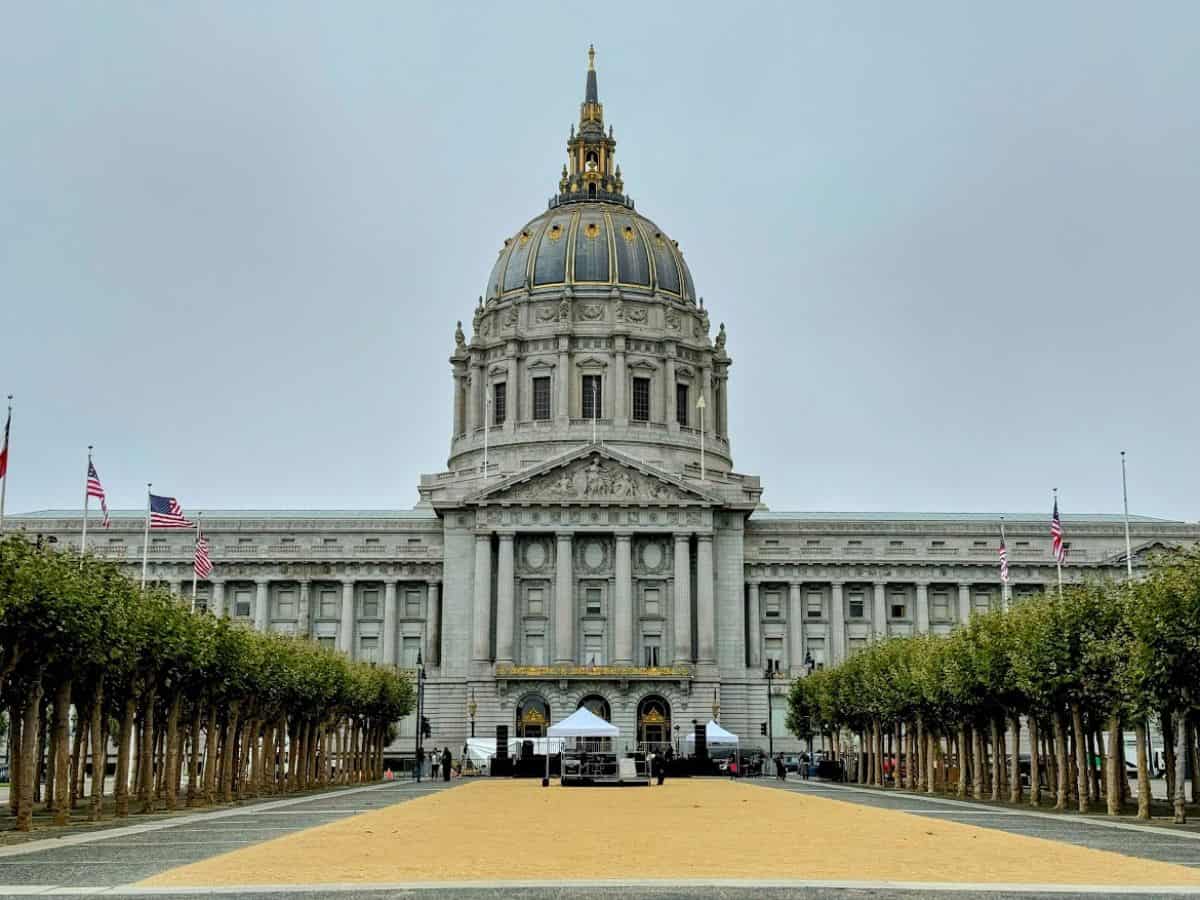
Politics is a key factor in San Francisco’s high living costs. Known for its progressive values, the city often passes laws that heavily impact housing. The Board of Supervisors creates local laws and manages budgets, but strict regulations on construction have limited new housing, worsening the housing shortage and driving up prices.
Zoning laws also restrict high-density housing, reducing the number of available homes while demand keeps growing. This has made it difficult for middle-class families and workers to afford to live in the city, forcing many to move elsewhere.
Additionally, political decisions about spending often prioritize other projects over addressing the housing crisis, leaving the problem unresolved. These policies, combined with limited housing, have made San Francisco one of the most expensive cities in the U.S. to live in.
13. High Business Taxes

San Francisco’s high business taxes add to the city’s overall costs. Businesses are taxed on gross receipts and personal property like machinery and equipment. Some industries, like hotels and parking, pay additional taxes, making it even more expensive to operate here.
The city collects about $1.4 billion in business taxes each year, second only to property taxes. For large corporations, San Francisco’s tax burden is more than double that of nearby Oakland and much higher than cities like San Jose or Sunnyvale.
With business tax rates approaching 9% and a local sales tax of 8.625%, operating costs in San Francisco are among the highest in the country. This has led some businesses to relocate to states like Texas and Nevada, where taxes are much lower. High taxes, combined with expensive real estate and infrastructure costs, make San Francisco an incredibly costly place for both businesses and residents.
14. Public Transportation System Limitations
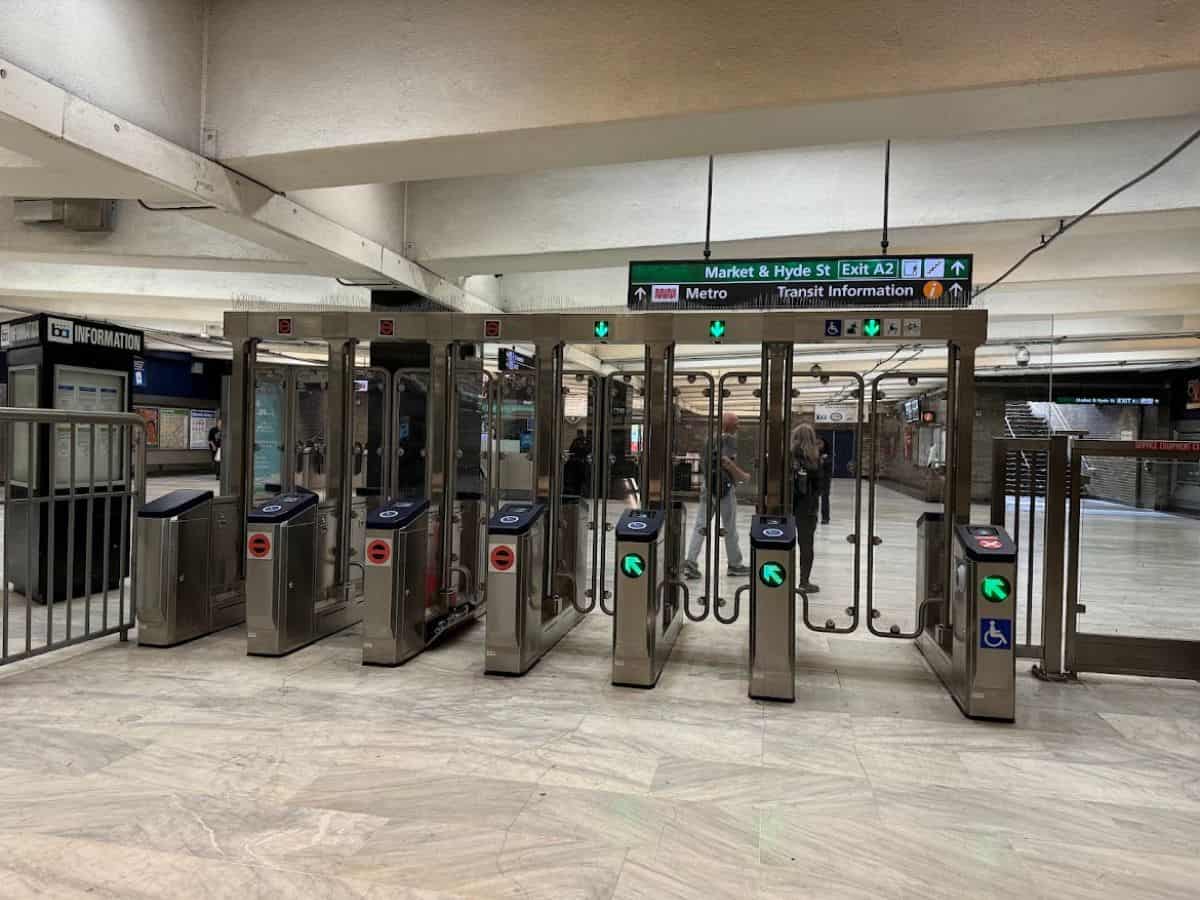
San Francisco’s public transportation options, like BART, Caltrain, and SamTrans buses, often fall short of residents’ needs. Limited coverage and reliability make commuting difficult for many.
A lack of investment in transit improvements is a big factor. Wealthier residents rely more on cars and rideshares, reducing the focus on upgrading public transportation. This leaves middle- and lower-income residents with fewer efficient options.
For many, owning a car becomes a necessity, adding expenses like gas, parking, and maintenance—all of which are expensive in San Francisco. Those who rely on transit face long and inconvenient commutes, especially when trying to live in more affordable areas outside the city.
The inefficiencies in public transit also drive up housing demand in the city center, pushing rents higher. Without significant upgrades, these limitations will continue to add to San Francisco’s already high costs.
Read More From Bae Area and Beyond
Don’t Miss These 50 Top Things To Do in San Francisco
Where To Stay In San Francisco Without A Car
9 Popular Nicknames For San Francisco: A Local’s Guide
Need help planning a trip? We can help plan your dream road trip in California!
Follow our California experiences: Facebook | Instagram | Pinterest
