
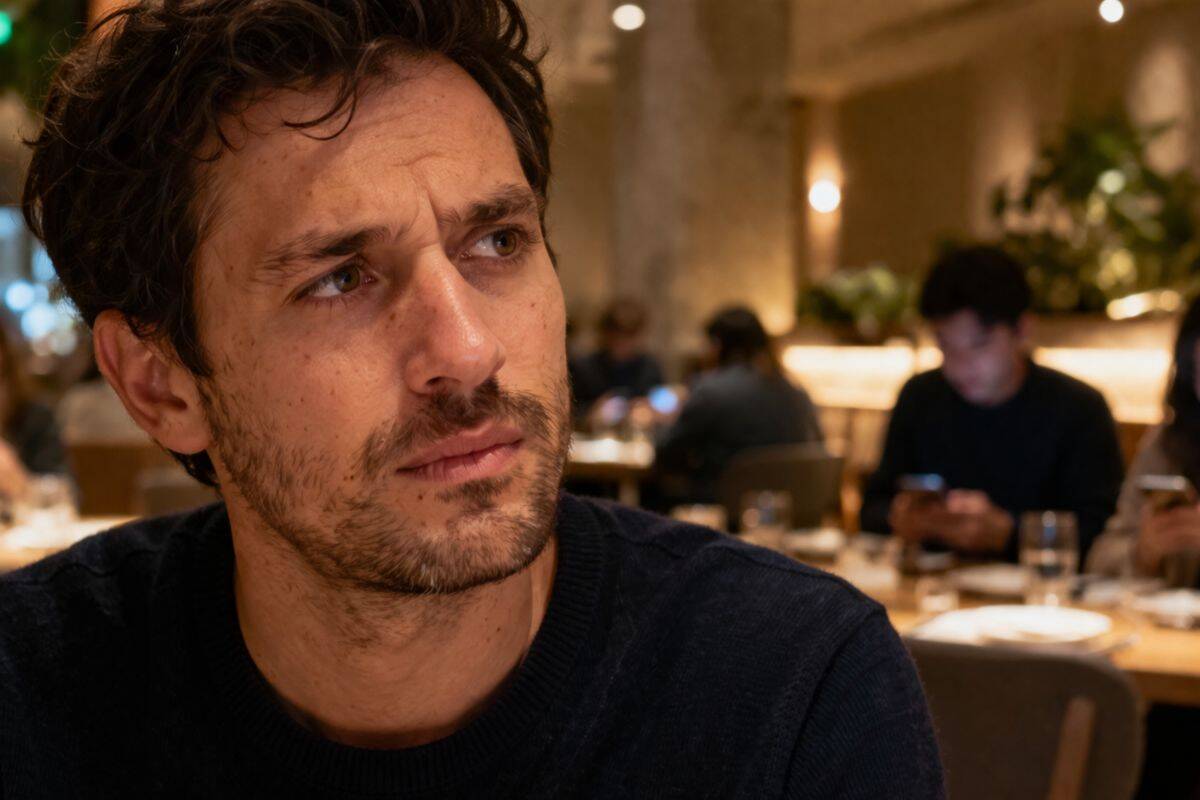
I still remember when going out to eat felt like a little event, not just a transaction. The lights seemed warmer, the booths felt more private, and even the wait for a table had a kind of anticipation to it.
Back then, a restaurant was part meal, part outing, part story you told later. Now it can feel efficient in all the wrong ways, like the charm got polished away in the name of convenience.
That does not mean restaurants are bad now. It just means something softer, looser, and more playful has faded, and a lot of people can feel it even if they cannot quite name it.
I am not alone. Here’s what people are actually saying.
1. The night out used to feel like an occasion
Dinner out used to feel marked on the calendar, even when it was something simple like burgers or pasta. You dressed a little differently, stayed a little longer, and acted like the evening mattered.
Now eating out is often folded into errands, schedules, and phone notifications. The meal still happens, but the sense of ceremony is harder to find.
2. Menus felt more like a surprise
There was a time when opening a menu felt like opening a small mystery. You scanned for familiar favorites, but you also expected one or two odd, wonderful choices that made the place feel distinct.
Today, so many menus seem built around efficiency and sameness. There is comfort in that, but there is also less delight in it.
3. The décor had more personality
Restaurants used to lean into a mood. Maybe it was red vinyl booths, a mural of grapes, fake plants near the window, or a lampshade that made everything look slightly golden.
Now a lot of places feel designed to be safe, Instagram-ready, and easy to replicate. It is clean, but it can also feel a little blank.
4. The staff felt like part of the show
A good server used to bring a kind of rhythm to the room. They knew when to joke, when to check in, and when to leave you alone, and that timing made the whole place feel alive.
Service now can still be excellent, but the pace is often tighter and more pressured. There is less room for the little human moments that made the experience memorable.
5. Waiting was more social
Waiting for a table used to be half the fun. People hovered near the host stand, traded guesses about the kitchen, and often made friends in the process.
Now the wait is more likely to happen through an app, a text, or a digital list. It is practical, but it is also less communal.
6. Kids in restaurants felt like part of the atmosphere
Families used to bring a certain kind of energy into a dining room. A kid coloring on a placemat or asking for extra ketchup was just part of the scene, not an interruption to it.
These days, so many places seem either too polished for that chaos or too stressed to welcome it. The result is a little less warmth in the room.
7. The food often came with a little more drama
A sizzling plate, a dessert brought out with a candle, or a giant basket of onion rings could turn a simple meal into a memorable one. Restaurants knew how to make ordinary food feel larger than life.
Now, presentation is often more restrained. It can be prettier, but not always more fun.
8. Everyone was not staring at a screen
There was a time when the table itself was the main event. People looked around the room, passed menus back and forth, and actually noticed the people they were with.
Now phones sit on the table like a second set of silverware. That changes the mood more than people like to admit.
9. Local places had stronger identities
A neighborhood restaurant used to feel like it belonged to its block. You remembered the owner, the smell of the kitchen, the framed photos on the wall, and maybe even the slightly weird chair by the window.
Chain culture and copycat design have made a lot of places feel interchangeable. That makes travel easier, but it also flattens the sense of discovery.
10. The prices felt easier to justify
Nobody loves paying for dinner, but there was a time when the bill felt more in line with the whole experience. You could order a few things, tip, and still feel like you had done something fun without overthinking it.
Now the math is always hanging in the air. By the time service fees, taxes, and tips are added, the fun can feel expensive before dessert even arrives.
11. Menus had a few quirks that made them memorable
Some places had dishes that nobody else made quite the same way. Maybe it was a house dressing, a strange appetizer, or a regional favorite that made the restaurant feel like it had a point of view.
A lot of modern dining has gotten more optimized and more standardized. That can mean fewer disappointments, but it also means fewer little discoveries.
12. The soundtrack mattered more
Restaurants used to have a sound. It might be classic rock, soft jazz, oldies, or a murmur of clinking glasses and overlapping conversations that made the whole room feel animated.
Now music is often background noise chosen to fit a brand. It is fine, but it rarely gives the room its own personality.
13. Service felt a little less hurried
A meal used to unfold at a slower pace, and nobody seemed in a rush to turn the tables every second. You could linger over coffee, split a dessert, and stay in the glow of the meal for a while.
Today, even good restaurants often feel like they are moving on a schedule. That efficiency helps the business, but it can shave off some of the pleasure.
14. The whole outing felt more imaginative
Sometimes the best part of going out was not the food itself. It was the feeling that something could happen there, even if it was just a conversation, a laugh, or a waitress who remembered your order.
That sense of possibility is harder to manufacture now. When restaurants become more streamlined, they can lose the spark that made them feel like part of real life.
15. People were less afraid of a little messiness
Old restaurants were not always prettier, cleaner, or more polished, but they could be full of character. There was room for the chipped mug, the crowded table, the too-bright neon sign, and the little imperfections that made a place feel lived in.
Now so much is optimized to look better on camera and function better on paper. What gets lost in that trade is not always obvious, but people feel it anyway.
Why does this land so hard for people
The funny thing is that most people are not really mourning a single restaurant trend. They are missing the feeling around the meal, the atmosphere, the looseness, and the sense that a night out could surprise you.
That is why this loss feels bigger than décor or menu design. It is about how places used to make room for delight, and how easy it is to forget that a little delight used to be part of the job.
