
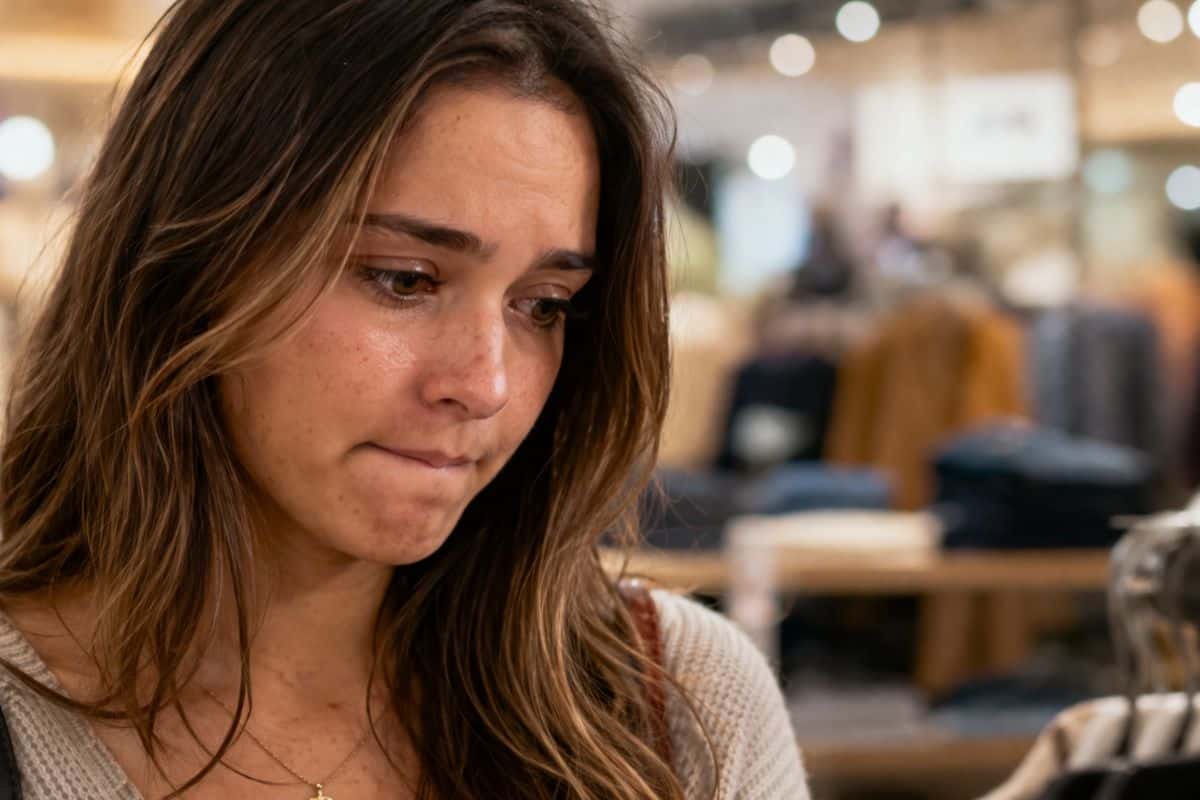
I remember when certain little habits felt almost automatic. A coffee on the way to work, a quick dinner out, a second streaming service, a new shirt without much thought.
Those things used to feel like small rewards, the kind you barely noticed because life seemed to allow them. Now, a lot of people are looking at the same routines and seeing something else entirely.
It is not always a crisis. Sometimes it is just the slow, private realization that comfort has become expensive, and convenience has started to feel like a luxury.
I am not alone. Here is what people are actually saying.
1. Daily coffee runs
For years, grabbing coffee was one of those harmless little rituals that made the morning feel civilized. It was a pause, a treat, and a signal that the day could still be handled.
Now, many people are making coffee at home because five dollars here and six dollars there add up fast. The drink is the same, but the feeling has changed completely.
2. Takeout on ordinary weeknights
There was a time when ordering dinner felt like a relief, not a budget decision. After a long workday, nobody wanted to chop onions or wash another pan.
But takeout has become the kind of expense people notice immediately. A single meal for two can easily cost what used to cover dinner and leftovers, and that makes the habit harder to justify.
3. Streaming everything
Not long ago, cutting the cable cord felt like freedom. A few streaming subscriptions seemed cheaper, cleaner, and more modern.
Now households are quietly trimming them back because the monthly total keeps creeping upward. The problem is not one subscription, but the slow pileup of all the subscriptions that used to feel small.
4. Buying lunch at work
Packing lunch used to sound like something only the overly careful did. These days, it sounds practical, which tells you how much has shifted.
People are realizing that even a modest weekday lunch habit can cost more than they want to admit. The brown-bag lunch has returned, not as a trend, but as a quiet budget strategy.
5. New clothes for every occasion
There was a time when shopping for something new before a trip, event, or season change felt normal. The closet was always supposed to be refreshed.
Now, many Americans are giving up that habit because clothing prices, like everything else, have made people pause. They are wearing older pieces more often, not because they stopped caring, but because they care about the bill too.
6. Impulse buys at the store
A little extra item at checkout used to feel almost invisible. A candle, a snack, a magazine, a gadget nobody needed.
People are noticing that the random purchase is no longer random once it happens ten times a month. The most expensive spending is often the spending that never seemed worth tracking in the first place.
7. Ride shares and delivery apps
For a while, delivery apps and ride shares made life feel smoother in a way people could get used to quickly. They were convenient with a shiny interface.
Now that convenience is being reclassified as a premium service. Many households are reserving those apps for real necessity, because they have learned how fast the fees turn a simple order into something uncomfortably expensive.
8. Weekend restaurant outings
Going out to eat used to be one of the easiest ways to break up the week. It was social, familiar, and easy to justify.
But restaurant prices have pushed a lot of people into a more careful mindset. A casual dinner can start to feel like an event, and that changes how often people bother going at all.
9. Brand-name groceries
Shoppers have become much less loyal to labels than they used to be. The brand name on the package is no longer enough to earn the extra cost.
People are swapping in store brands, generic versions, and whatever looks close enough to the thing they already liked. It is a small change on the shelf, but a telling one in the larger story of how people are shopping now.
10. Subscription boxes and monthly extras
There was a moment when subscription boxes felt fun and a little indulgent in the best way. They made ordinary months feel more curated.
Now they often feel like a reminder that recurring charges are not always as harmless as they seem. One by one, people are canceling the extras they barely remember signing up for.
11. Big holiday spending
Gift giving has not disappeared, but the scale of it has changed. More families are tightening expectations, especially when everyone is feeling the same pressure at once.
That shift can be emotional, because holidays are supposed to feel generous and warm. But a lot of people are quietly choosing realism over performance, and that choice is becoming more common.
12. Car washes and small car upgrades
Some costs are not glamorous, but they still show up every month and somehow manage to sting. A car wash, an oil change add-on, a little accessory, one more convenience package.
People are trimming those extras because even the maintenance of normal life has gotten pricier. It is not that they stopped caring about the car, only that they have become more selective about what counts.
13. Casual entertainment outside the house
Bowling, movies, mini golf, concerts, museums, and even just saying yes to every outing can start to feel different when everything has a price attached to it. Fun has not gone away, but it has become more intentional.
A lot of Americans are learning that entertainment now requires planning instead of impulse. That may sound small, but it changes the feeling of being able to live a little more freely.
What makes this shift hit so hard
What people are really giving up is not always the coffee or the dinner out. It is the easy feeling that these things were once part of ordinary life.
That is why the change lands so deeply. When the extras disappear, people notice how much of their daily comfort was built from them.
The money matters, of course. But so does the mood that goes with it, the sense that life has become a little more measured and a little less spontaneous.
