
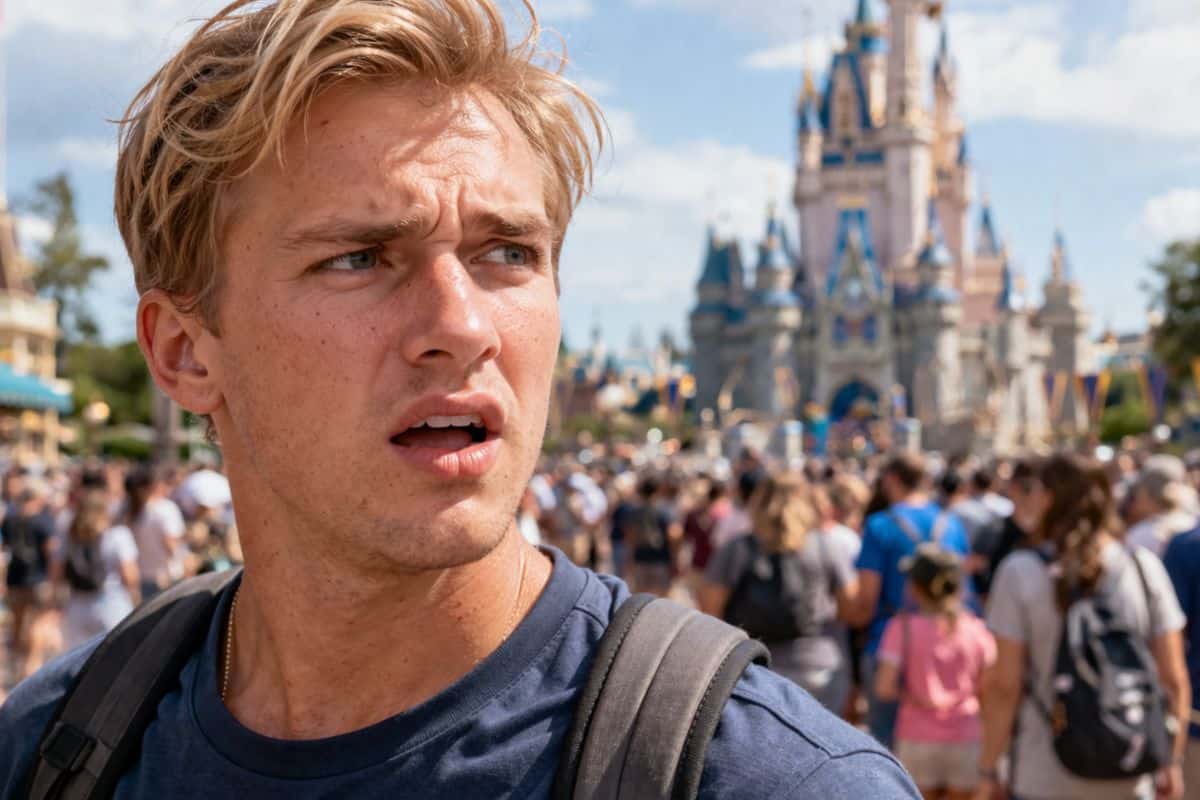
I used to think a theme park trip was the purest kind of family magic. You packed too many snacks, wore the wrong shoes anyway, and still came home with sunburned faces and a few good stories.
For a long time, the price of admission felt like the price of joy. You expected lines, noise, and a little chaos, but the day still felt worth it because the wonder outweighed the hassle.
That balance feels different now. For a lot of people, the hassle is no longer a side note; it is the whole plot.
I am not alone. Here’s what people are actually saying.
1. The ticket price no longer feels like the beginning of the expense
The first punch lands before anyone even reaches the gate. By the time families add parking, food, drinks, and maybe a few extras, the day can start to feel less like a treat and more like a financial decision.
That shift changes the mood. It is hard to feel carefree when every churro and bottled water seems to carry a tiny sense of regret.
2. The hidden costs keep piling up
Theme parks have always been expensive, but what frustrates people now is how often the real cost shows up after the headline price. The ticket is only the opening line.
People are paying more for lockers, faster access, preferred seating, and all the little conveniences that used to feel built into the experience. It creates a sneaking feeling that the park is selling pieces of the day back to you one by one.
3. The line for everything has become part of the exhaustion
Waiting for a headline ride used to feel like the cost of admission. Now, the waiting seems to spread into every corner of the day.
There is a line for the ride, a line for the restroom, a line for food, and sometimes even a line to stand in the line. At some point, people stop feeling excited and start feeling managed.
4. The promise of “special” can be hard to see through the crowd
Theme parks still sell fantasy, but the fantasy can get buried under the practical reality of thousands of other people trying to have the same good time at the same moment. That is not anyone’s fault, but it changes the emotional texture of the day.
The problem is not just density. It is that the crowd can make the whole thing feel less like an escape and more like a competition for the same sliver of space.
5. The planning has gotten so intense that it can feel like a second job
There was a time when a park trip meant showing up and making memories. Now, many visitors feel like they need a strategy, apps, reservations, and a schedule that resembles a military operation.
That kind of planning can be satisfying for some people, but it can also drain the spontaneity right out of the day. Once a vacation starts feeling like logistics homework, the charm gets harder to find.
6. The heat, the walking, and the weather hit harder than people expect
A theme park vacation asks a lot from the body. You are outside, on your feet, carrying bags, pushing strollers, and trying to stay cheerful while the sun does its work.
That physical strain has always been there, but now it feels less romantic and more obvious. What used to be a lively day out can end up feeling like endurance with a mascot attached.
7. Food can feel surprisingly disappointing for the money
Part of the old thrill was that amusement park food felt indulgent. A giant pretzel or sticky funnel cake was part of the fun, not something you overanalyze.
Now, many visitors leave feeling like they paid restaurant prices for convenience food that barely clears the bar. When the meal is expensive and forgettable, it is hard not to notice.
8. The magic feels more segmented than it used to
A lot of parks now divide the experience into tiers, upgrades, and add-ons. That may make business sense, but emotionally, it can make the day feel chopped into pieces.
Some guests get the shortcut, some get the full wait, and some get the leftovers of the system. The experience starts to feel less like shared fun and more like a package with fine print.
9. Families are more aware of how much effort they are carrying
Parents have always known theme parks take work, but the labor feels more visible now. There is the packing, the timing, the crowds, the complaints, and the constant question of whether everyone is still having fun.
That pressure can wear down even the most patient adult. When one person becomes the unofficial logistics manager for the entire trip, the vacation can stop feeling like a vacation.
10. The sensory overload is harder to ignore
Bright lights, loud music, flashing screens, and constant movement used to be part of the charm. For many people now, all of that input can feel like too much at once.
The body can only absorb so many sounds and signals before delight starts turning into fatigue. What once felt immersive can begin to feel overwhelming in a very ordinary, human way.
11. Expectations are higher than ever, and that can make disappointment sting
People do not just go to theme parks anymore. They go with TikTok clips, viral ride videos, and memories of the one perfect family trip they have been chasing ever since.
That means the actual day has to compete with a fantasy version of itself. Real life rarely wins that comparison, and the letdown can be sharper because the hope was so large.
12. The emotional payoff arrives later, if at all
A lot of vacations give you an immediate sense of relief. Theme parks often ask you to work for the payoff, and sometimes the payoff does not arrive until you are already heading home.
That can make the day feel strangely backward. You spend hours grinding through the heat and the waits, then realize the sweetest part was a single ten-second moment that came too late to save the mood.
13. Some people are simply rethinking what rest should feel like
This may be the biggest change of all. More Americans seem less interested in vacations that wear them out in the name of fun.
They want something gentler, cleaner, and less performative. Not every break has to be a marathon dressed up as childhood nostalgia.
What makes this shift so interesting
Theme parks have not stopped being impressive. The rides are still bold, the production value is still huge, and the memories are still real for the people who love them.
But the feeling around them has changed. For many Americans, the issue is not the core idea of the theme park itself; it is everything wrapped around it now.
That is what makes the frustration land so hard. People are not rejecting joy; they are rejecting the growing pile of cost, effort, and friction standing between them and the joy they remember.
